BC_Unit_Cell
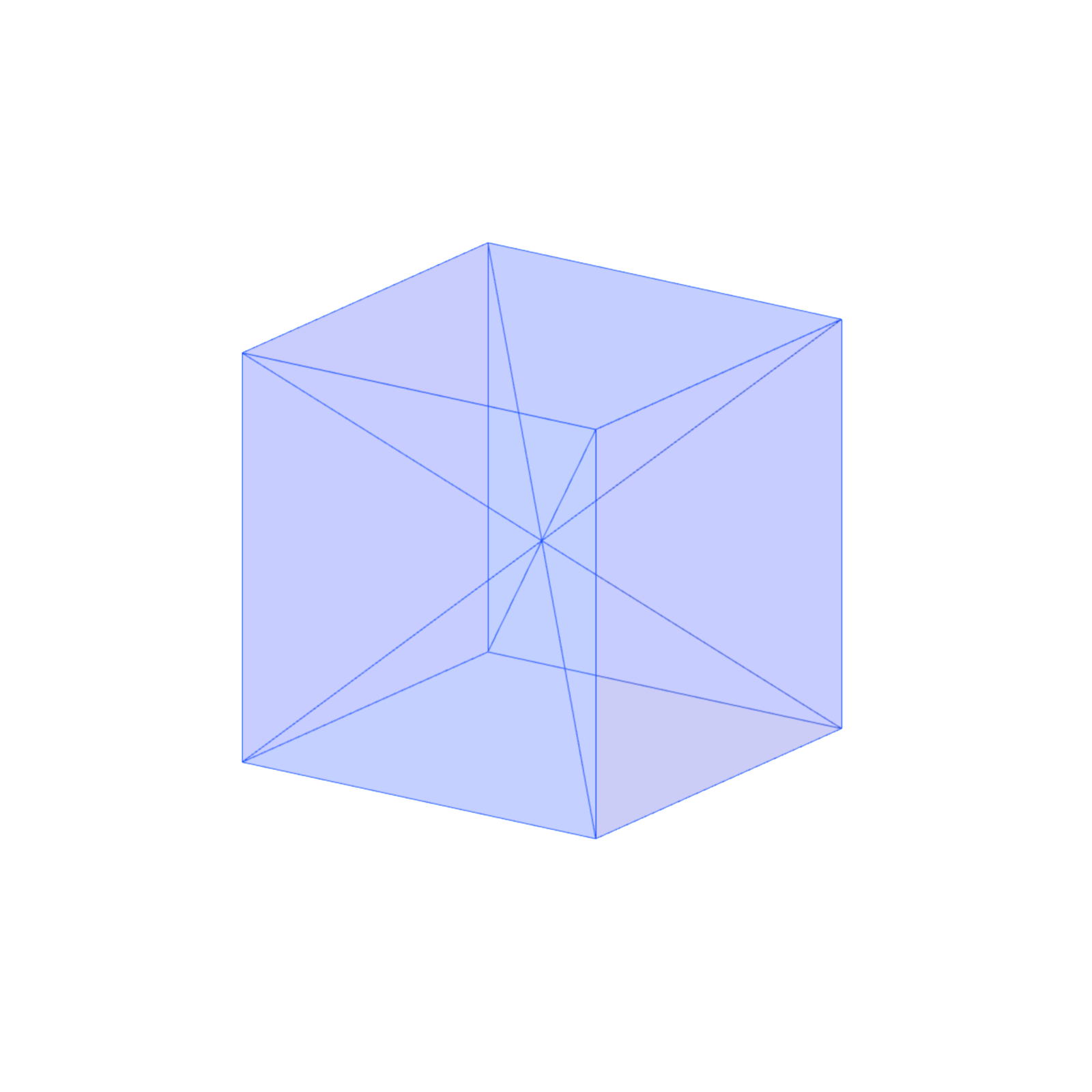
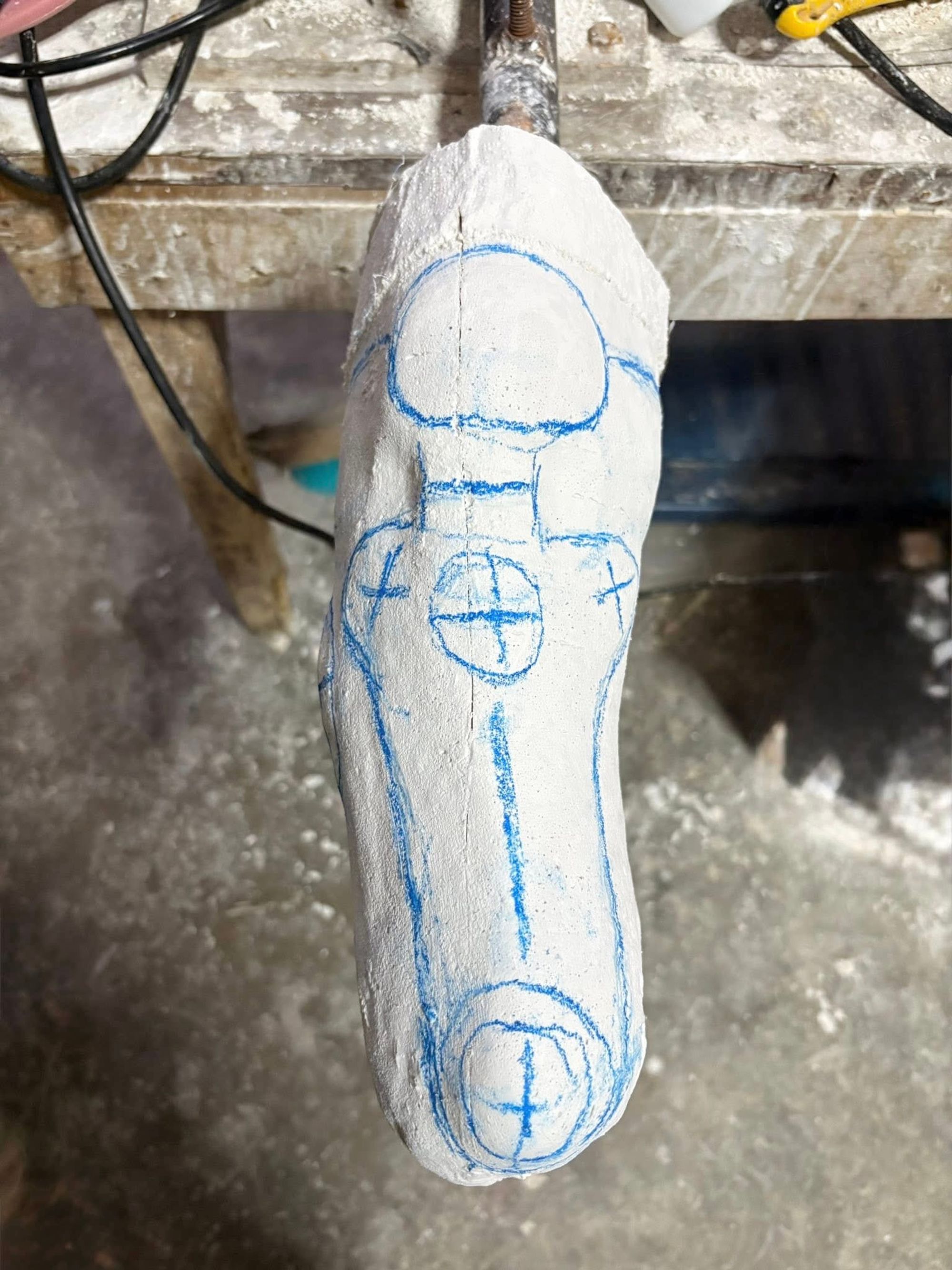
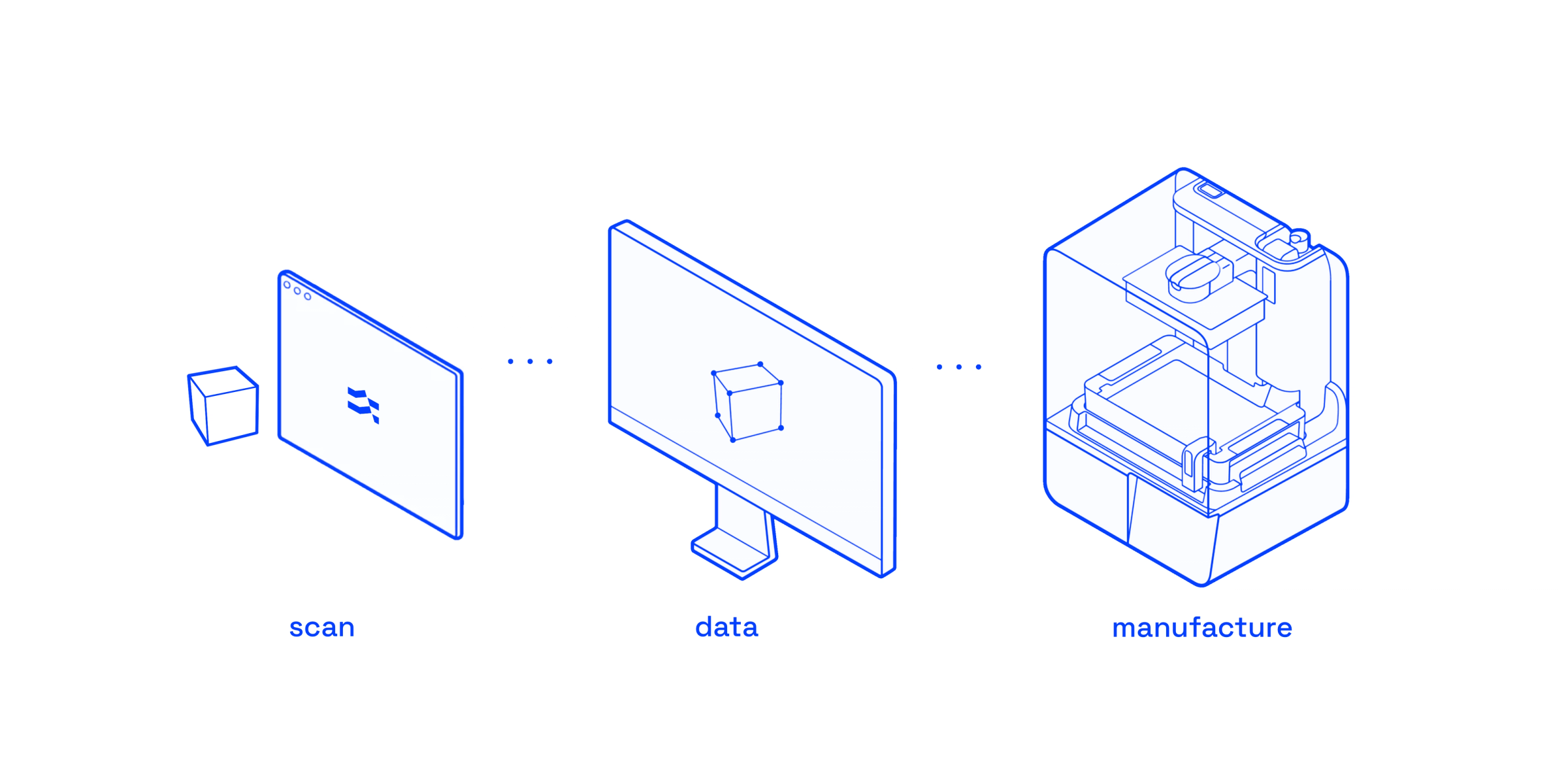
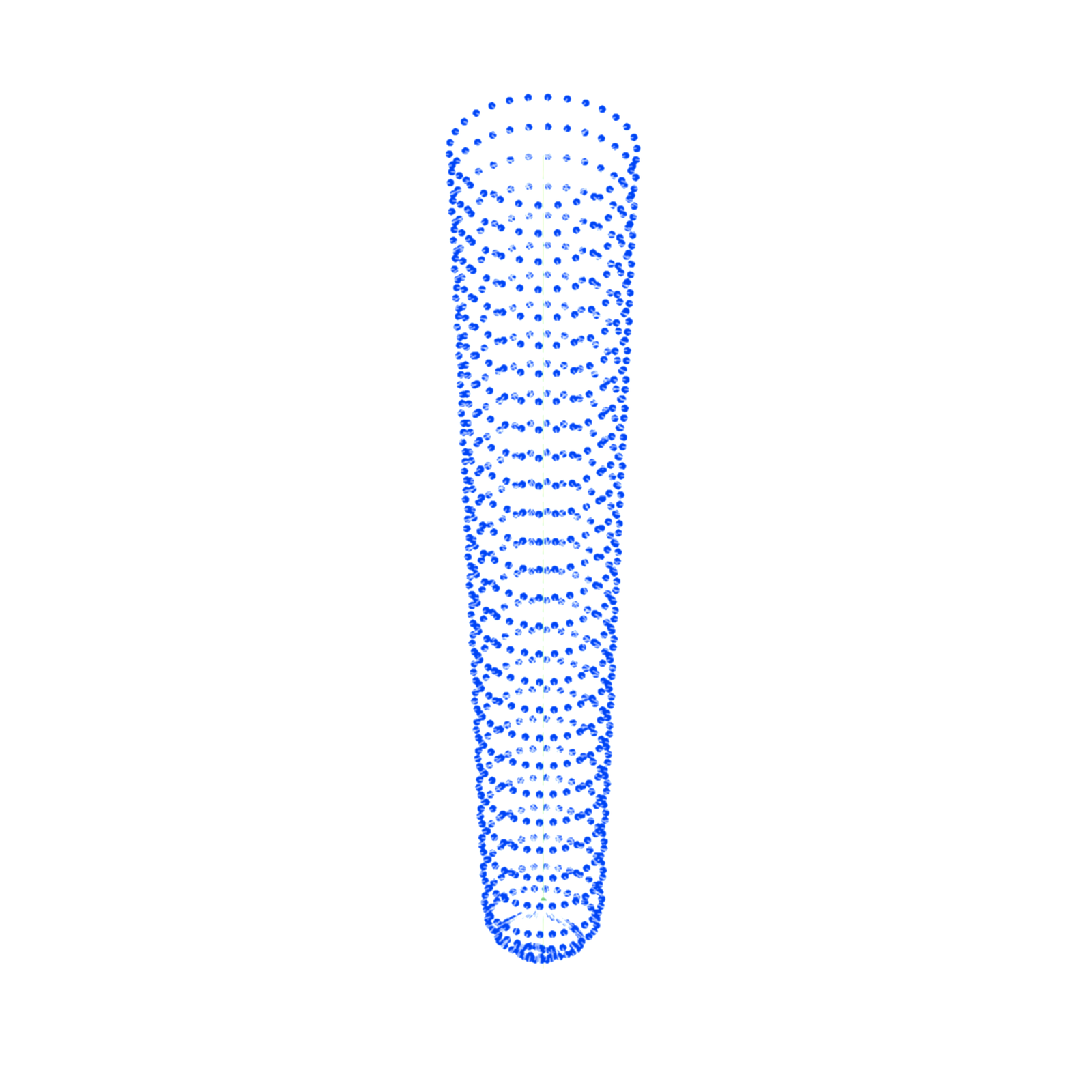
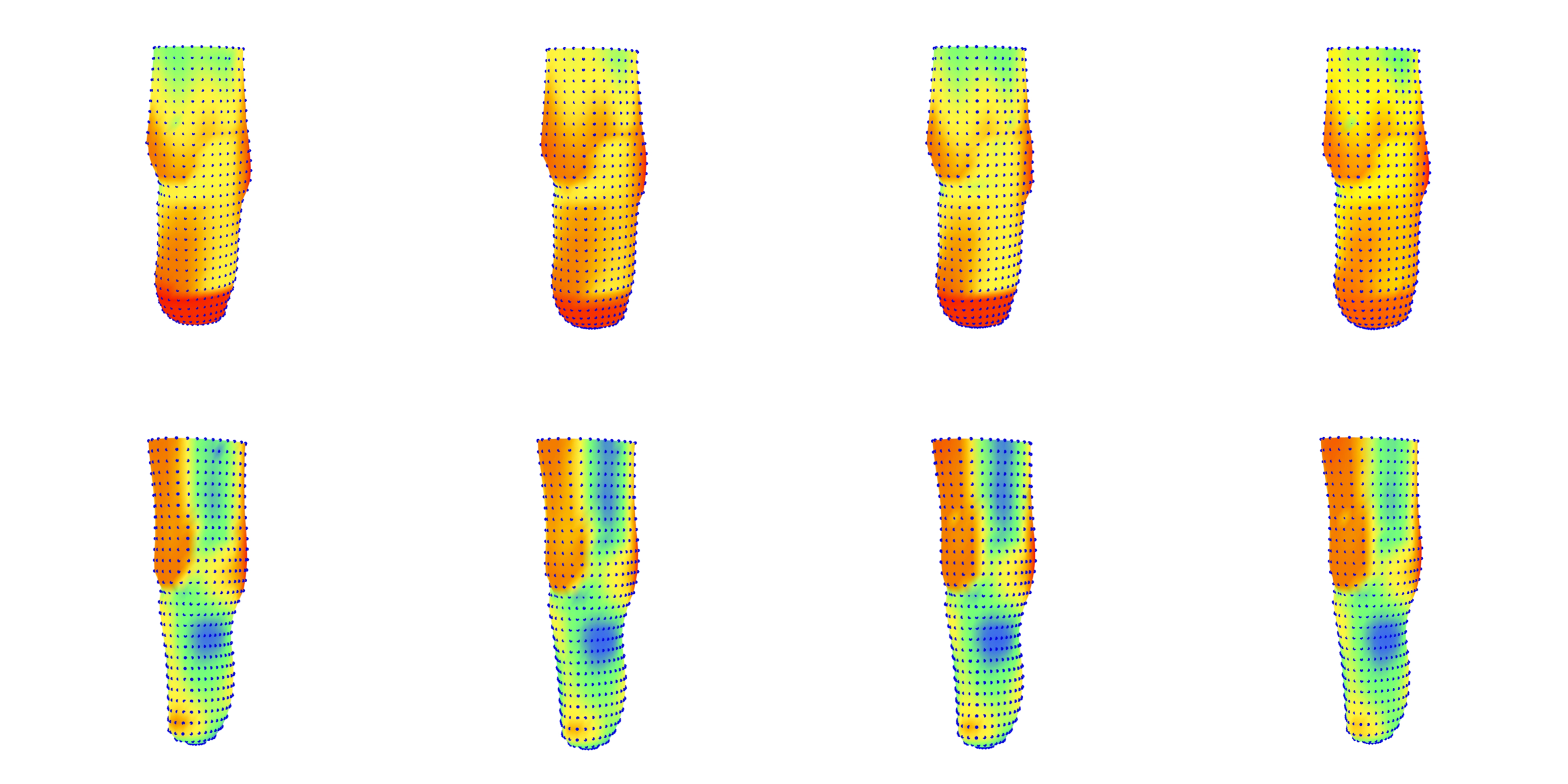
Paralia is a computational engineering framework for building prosthetics. Performance in prosthetic devices is conventionally limited not by a lack of viable solutions, but by the difficulty of applying them consistently at scale, across varying patient anatomy. Each limb presents a unique condition, and as solutions grow more complex, current workflows become increasingly manual, heuristic, and difficult to scale. Paralia reframes limb geometry as structured data, enabling features like ventilation, compliance, and structural variation to be parameterized and applied systematically. This shifts prosthetic development from case-by-case modeling toward a more consistent, data-driven approach to customization.
Prosthetic design relies heavily on clinical intuition. A practitioner evaluating a residual limb draws on several years of experience to shape a device which truly fits the patient. Fitting prosthetics is as much of an art as it is a science, and although traditional methods produce quality results, they also represent a clear bottleneck to innovative engineering solutions. Innovation in prosthetic devices remains underexplored, because advanced numerical analysis is difficult to apply to one-off products. Lack of a scalable manufacturing pipeline compounds the bottleneck on viable innovation. I began this project with direct stakeholder engagement. By reaching out to clinicians and para-athletes, I gained insight into the current shortcomings of prosthetic devices. Over the course of my research I encountered several well-documented issues with current prosthetic technology, including skin irritation, heat build up, moisture from perspiration, and mechanical failure. Solving these various shortcomings is a formidable, multidisciplinary engineering problem, but in any case, a common problem consistently emerged. There is no existing framework that contextualizes a given solution as numerical, formulaic, and repeatable, and therefore the work done to solve these issues often does not compound onto future cases. This makes investing in the innovation of prosthetic devices expensive and prohibitive.

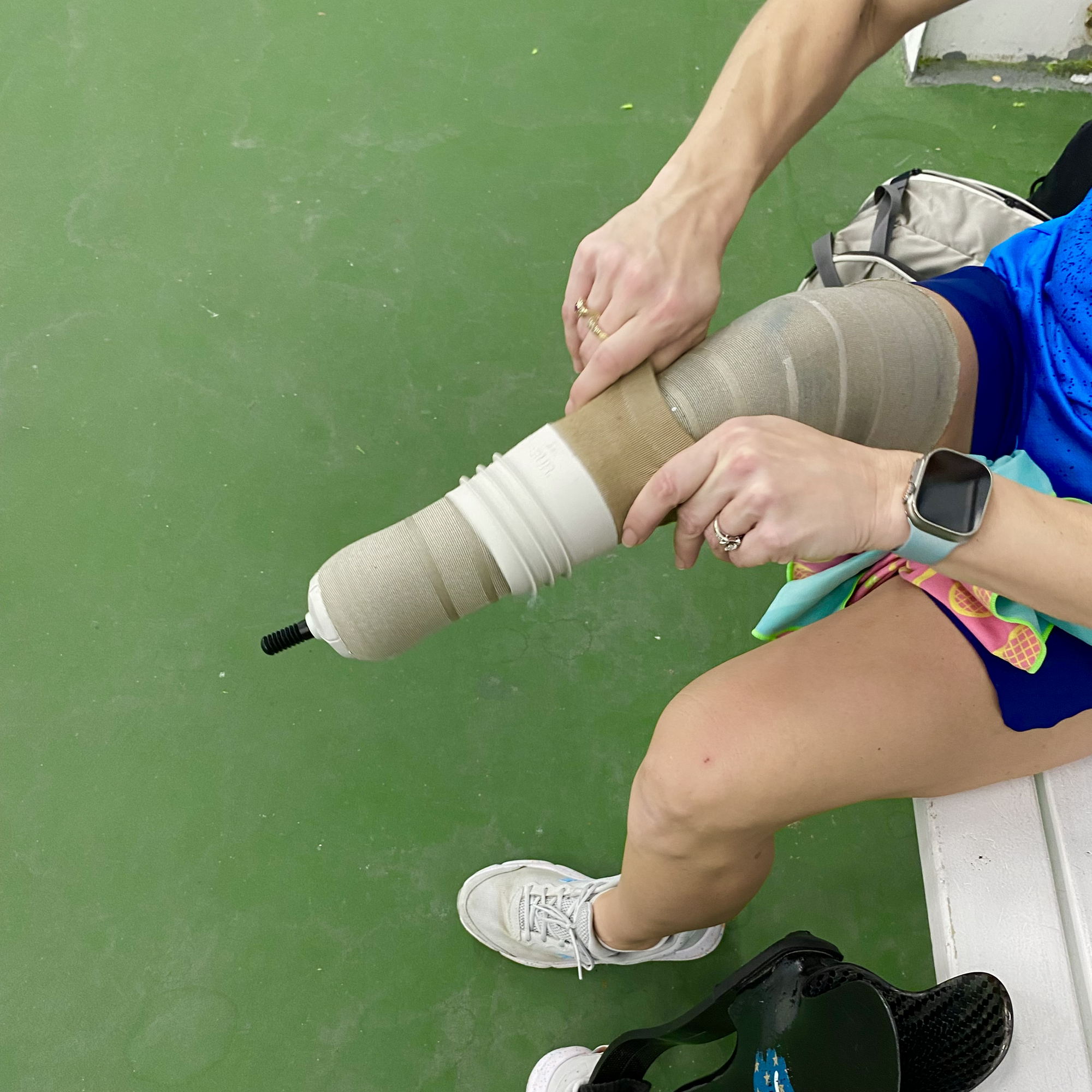
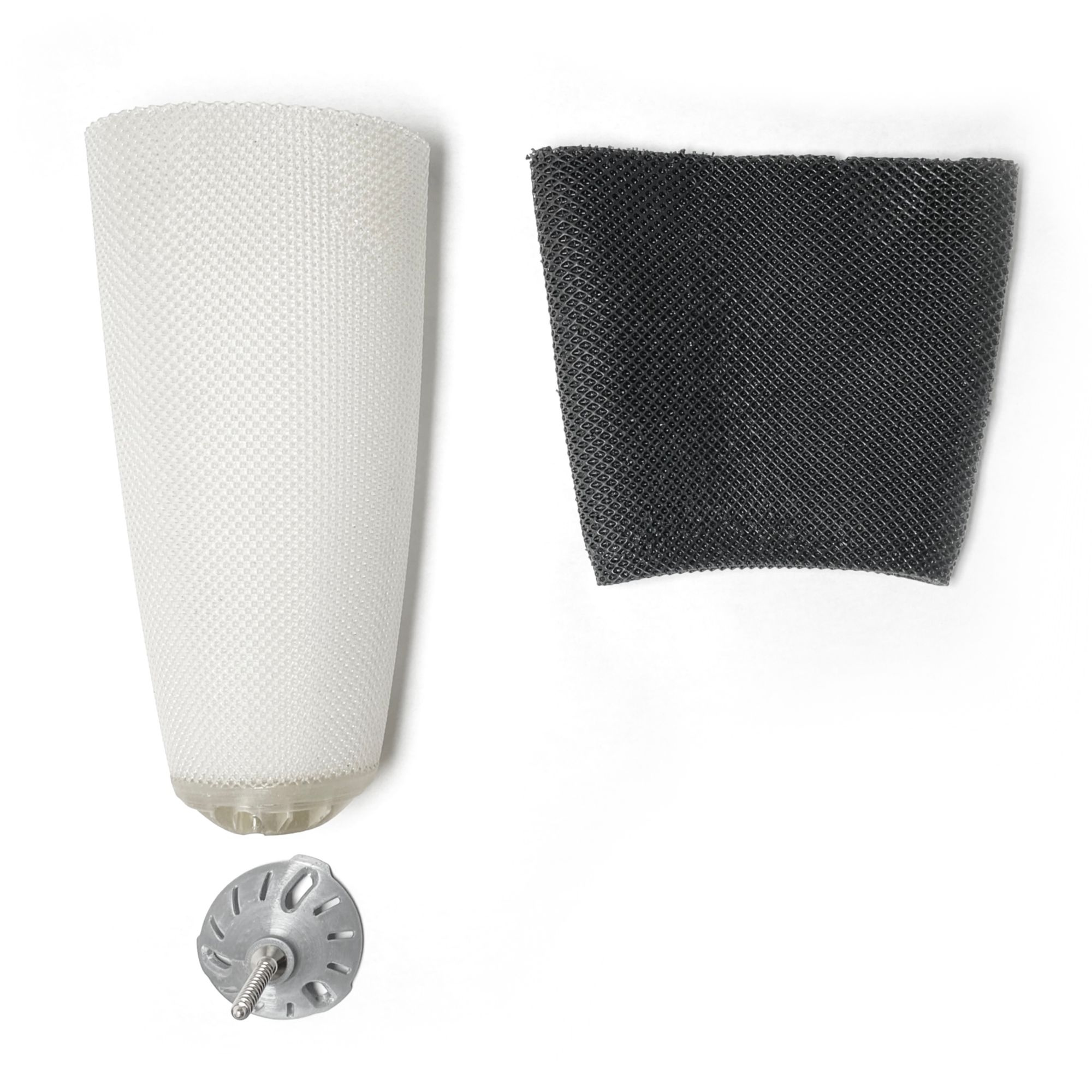
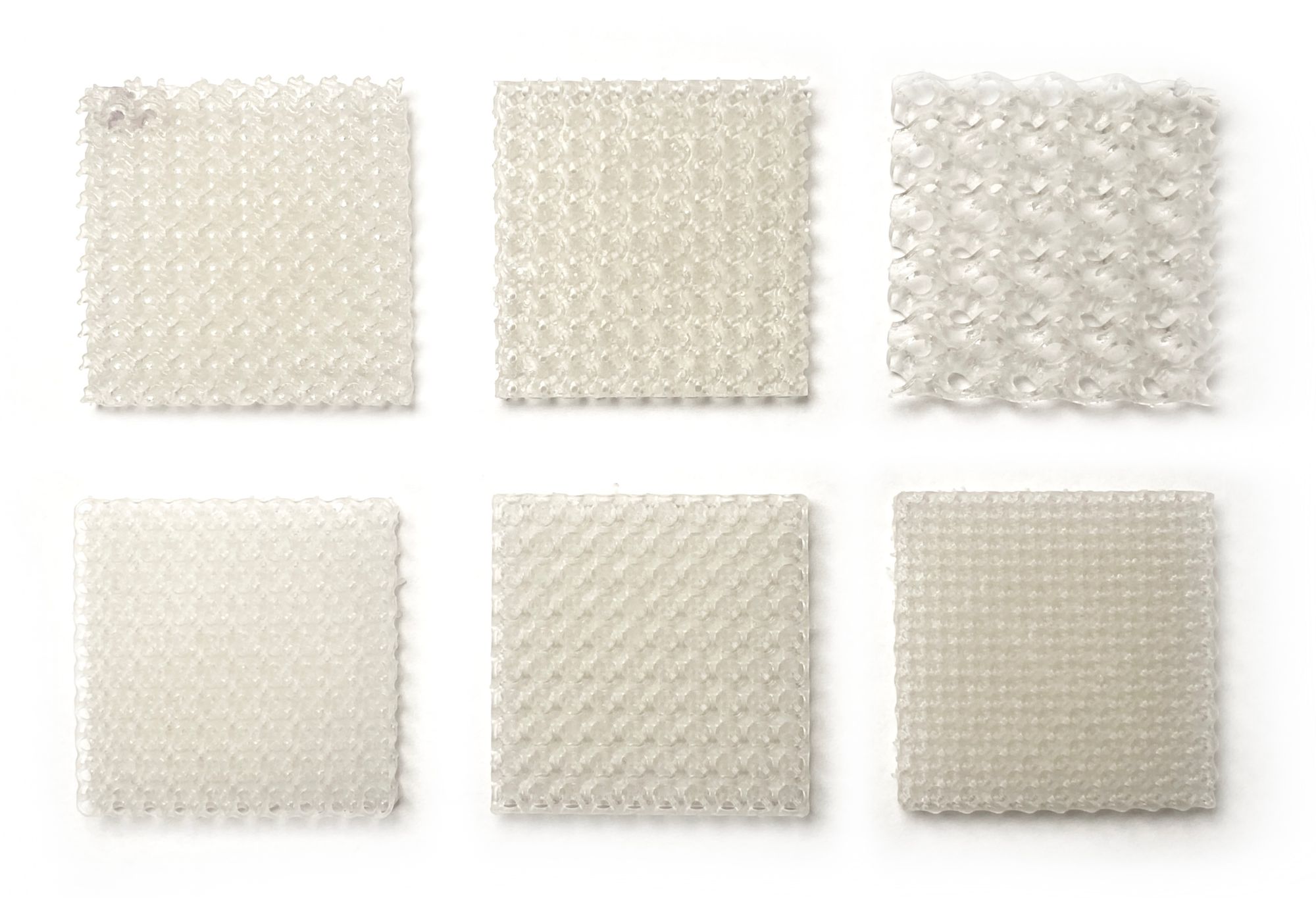
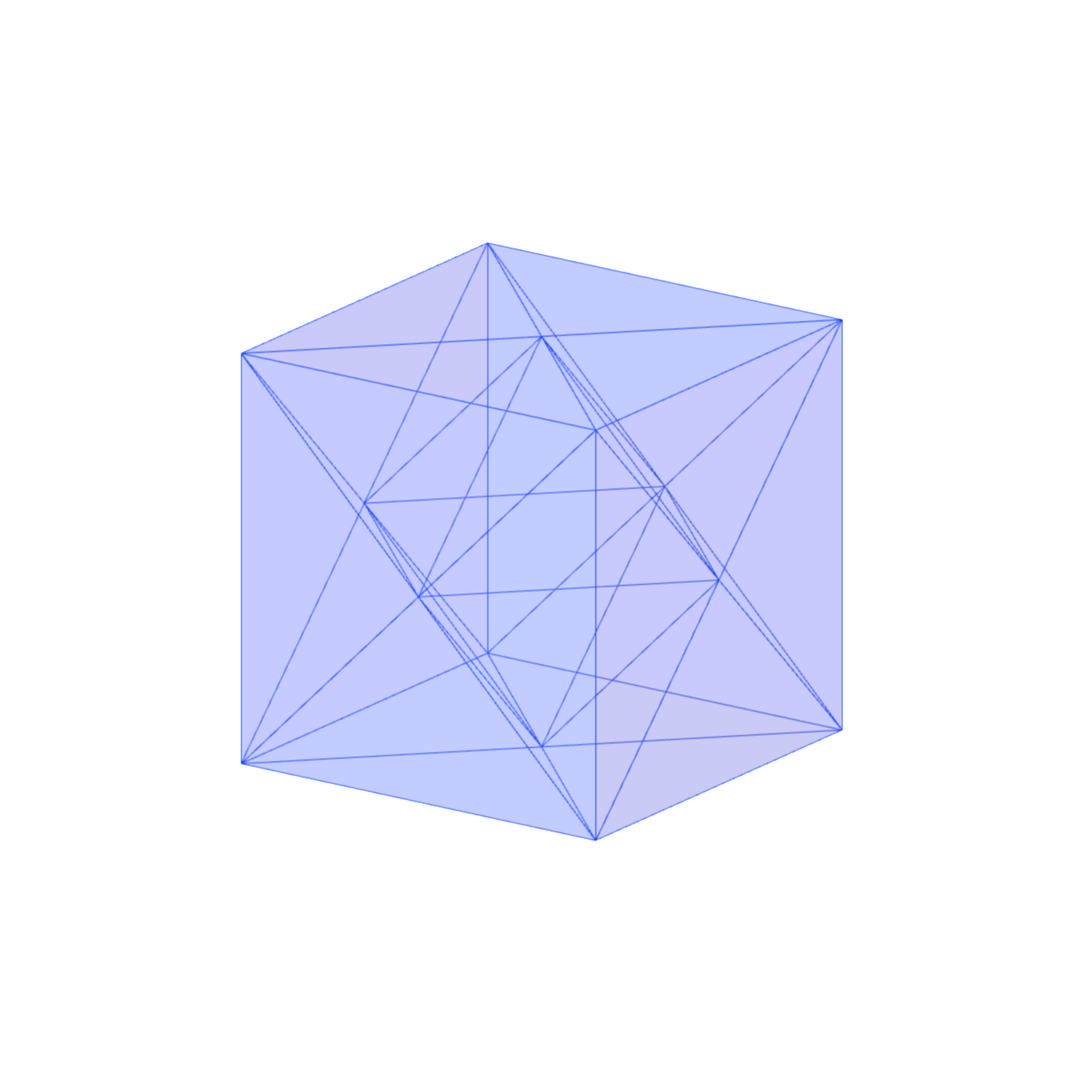
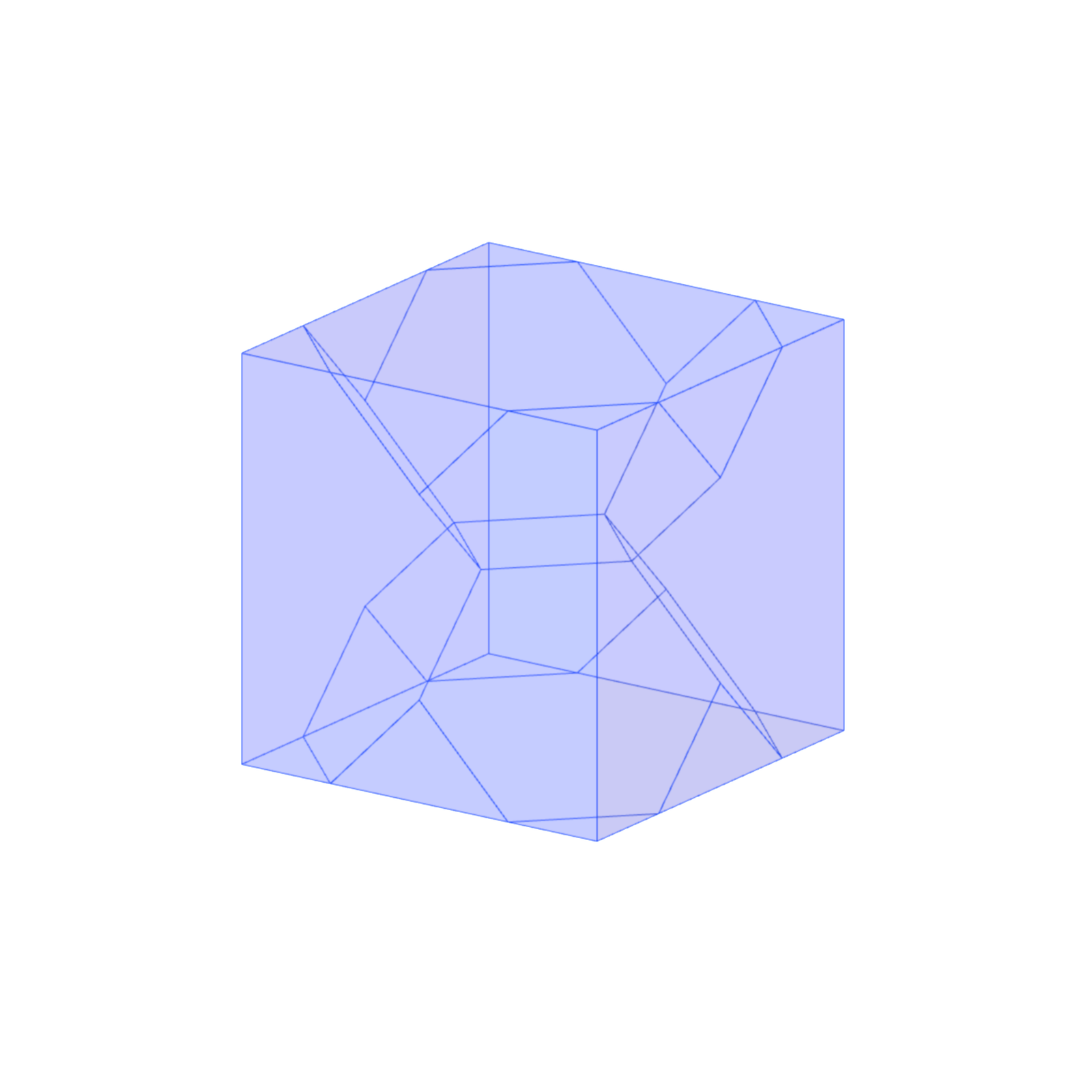
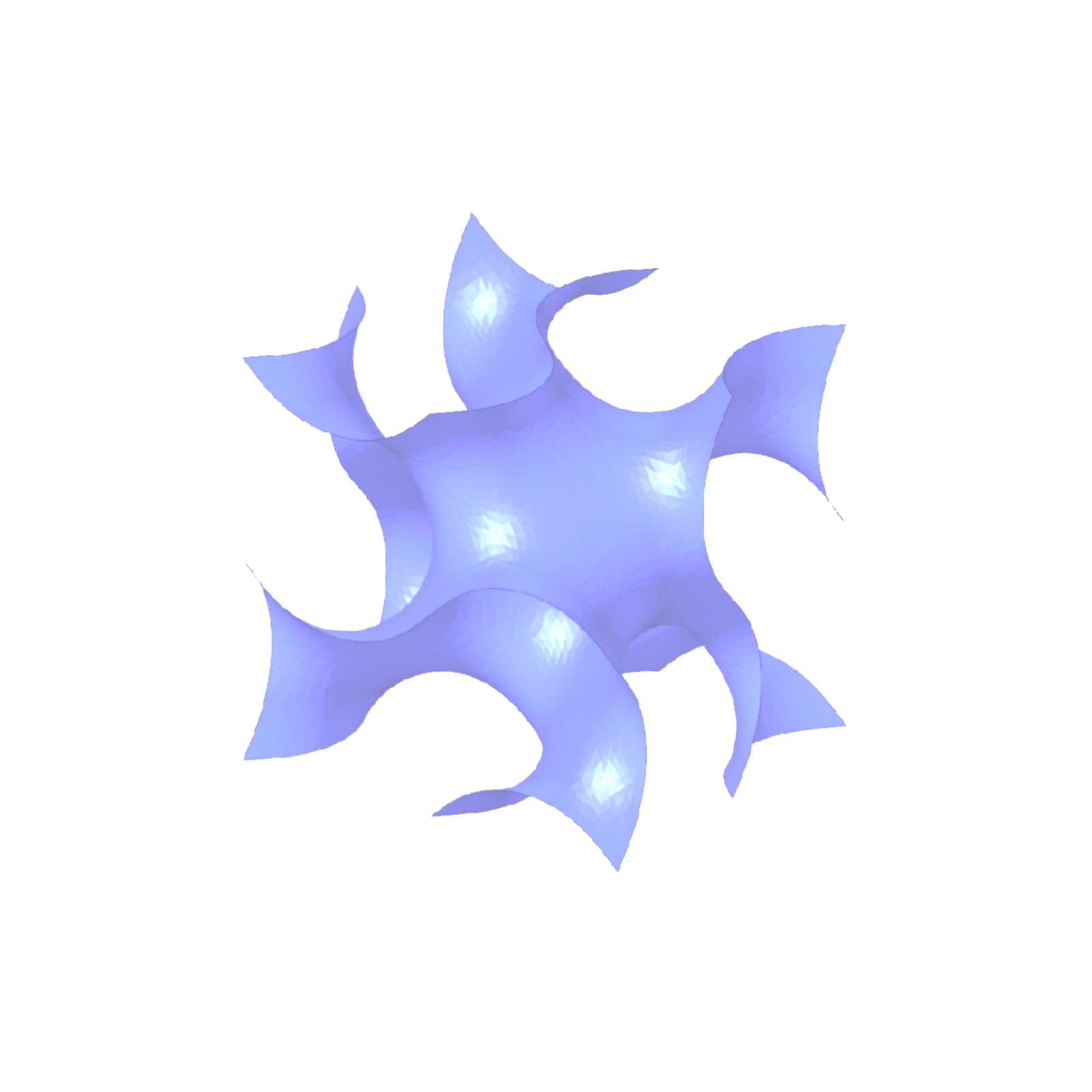
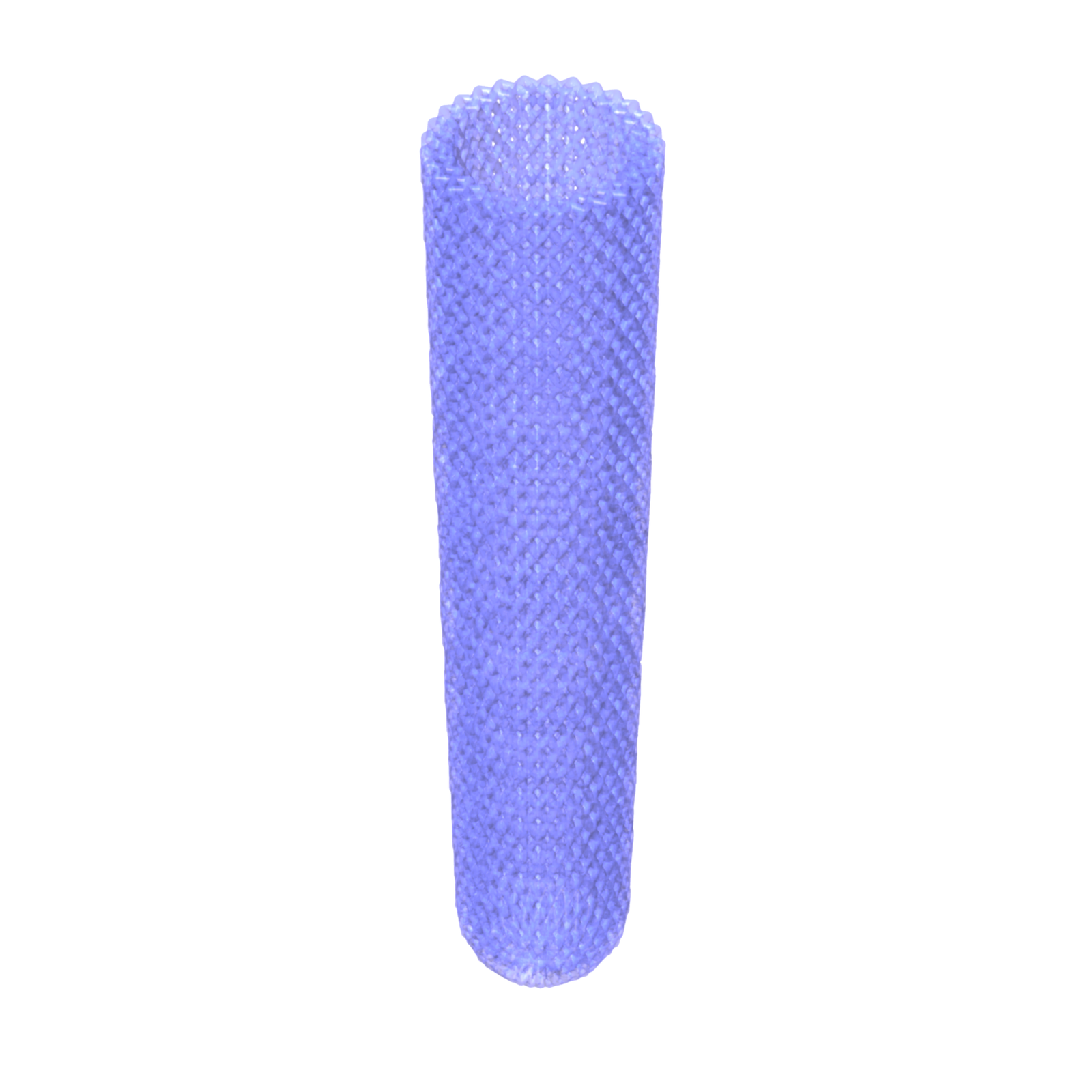
I coupled my industry research with materials research, in order to build a hypothesis of how prosthetic systems could be manufactured at scale given the correct infrastructure. I focused on two FormLabs materials (BioMed Elastic 50A Resin, Silicone 40A Resin), and a library of six lattice unit cells. I ran informal tests on the durability, comfort, and thermal properties of two transtibial liner MVPs, along with several material swatches.. The materials were closer to viability than anticipated. These findings could be used to defend design pipelines that would not be possible without advanced additive manufacturing.
It is a long established fact that a reader will be distracted by the readable content of a page when looking at its layout. The point of using Lorem Ipsum is that it has a more-or-less normal distribution of letters, as opposed to using 'Content here, content here', making it look like readable English. Many desktop publishing packages and web page editors now use Lorem Ipsum as their default model text, and a search for 'lorem ipsum' will uncover many web sites still in their infancy. Various versions have evolved over the years, sometimes by accident, sometimes on purpose (injected humour and the like).
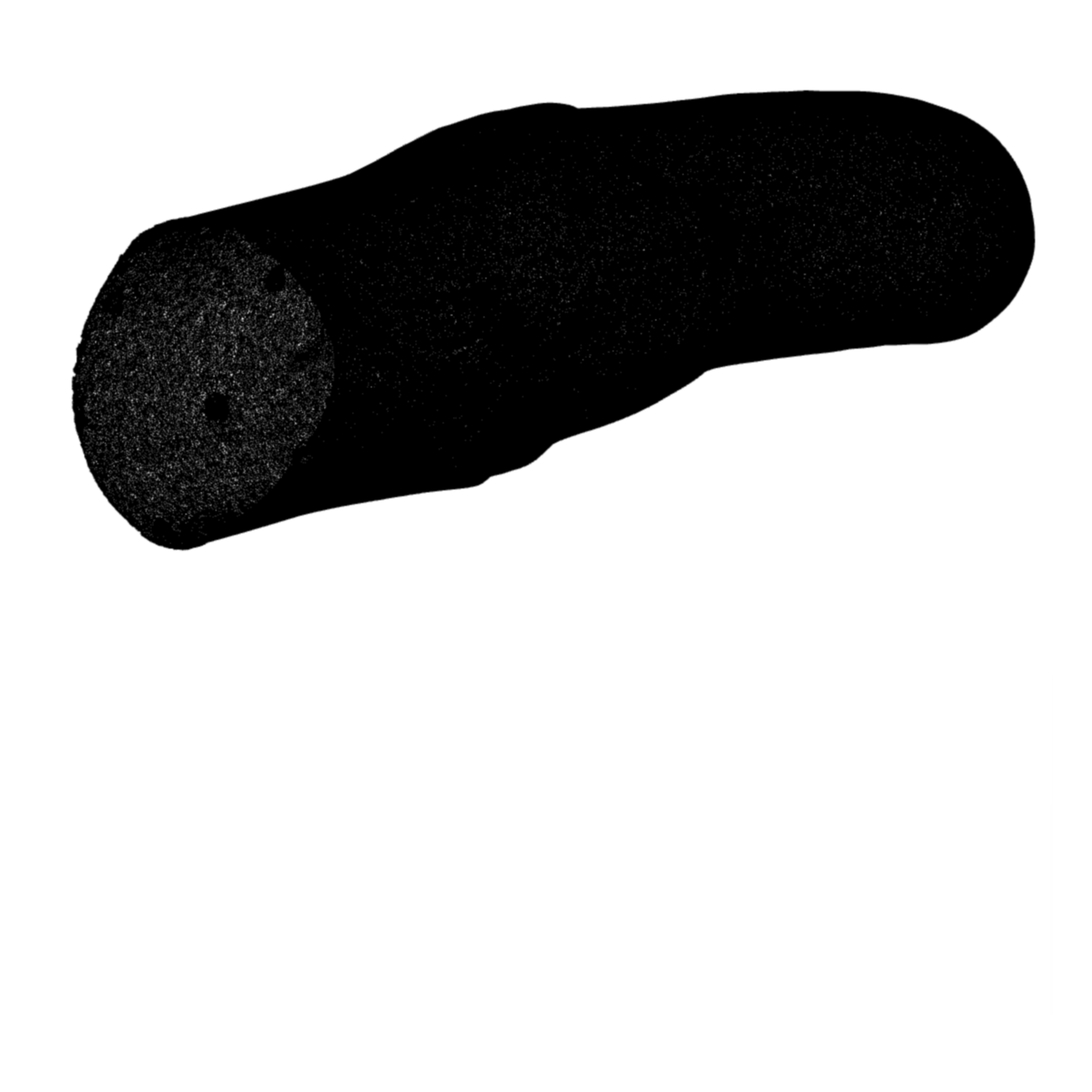
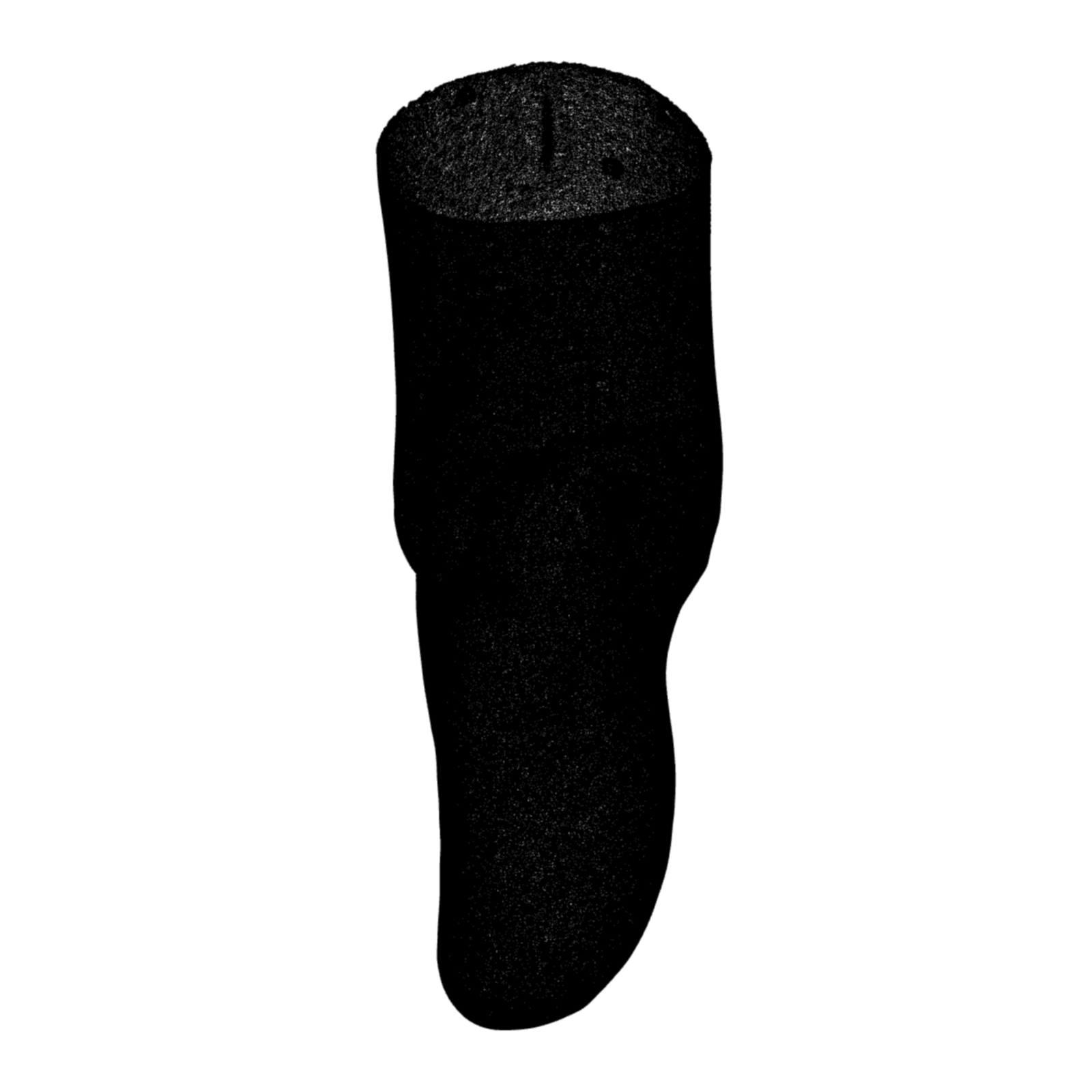
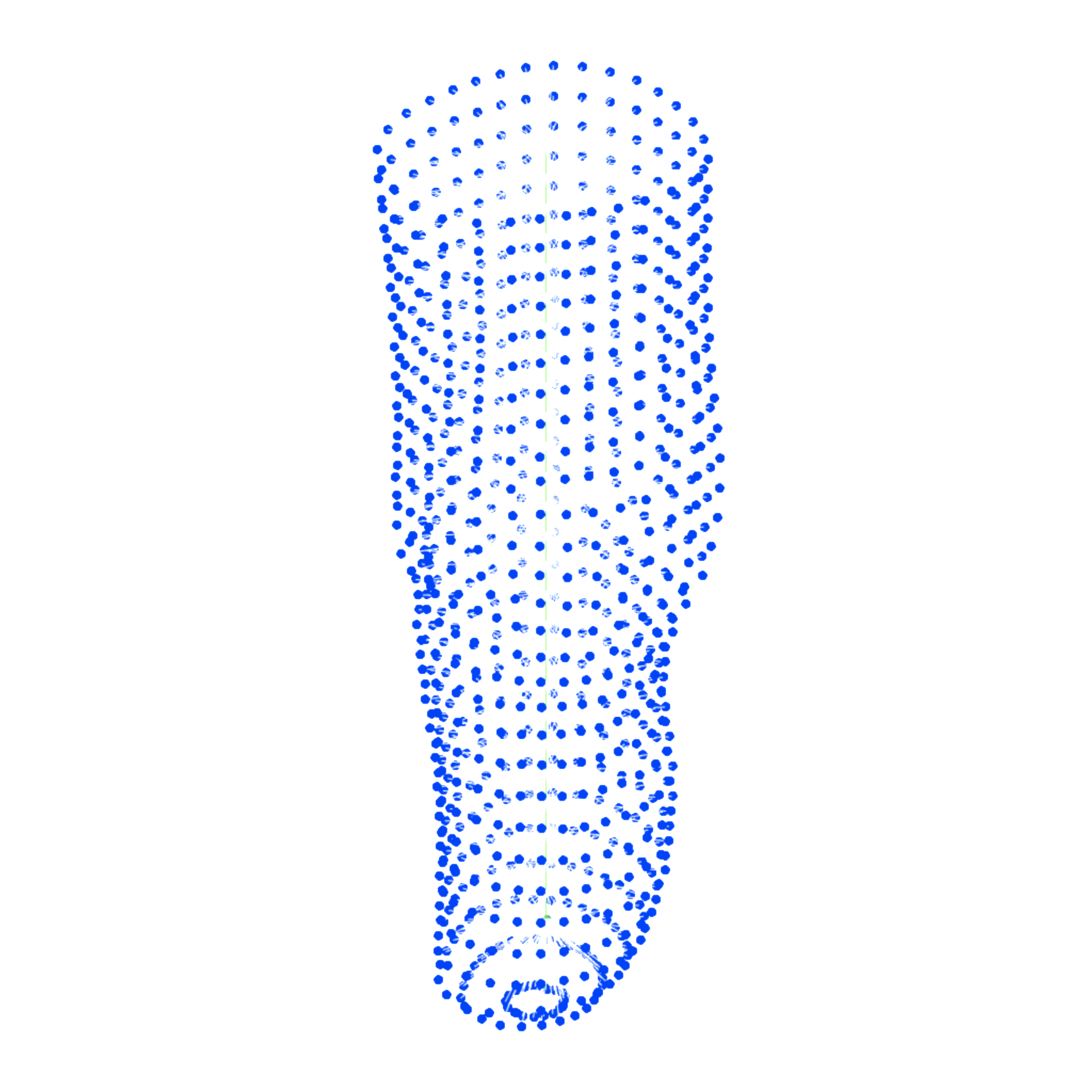
The pipeline is functional. Scan data is ingested,