Computational Design Study
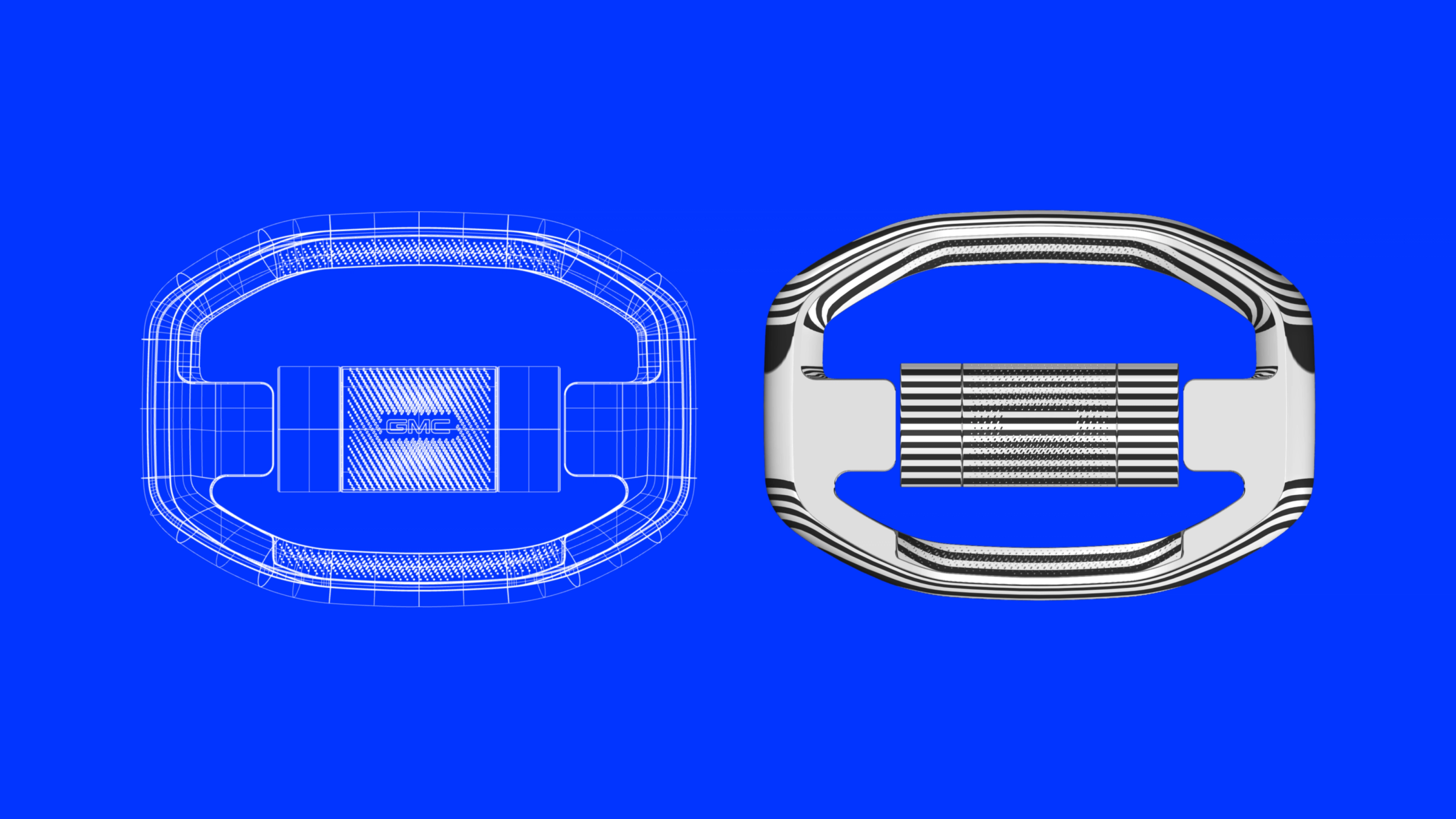
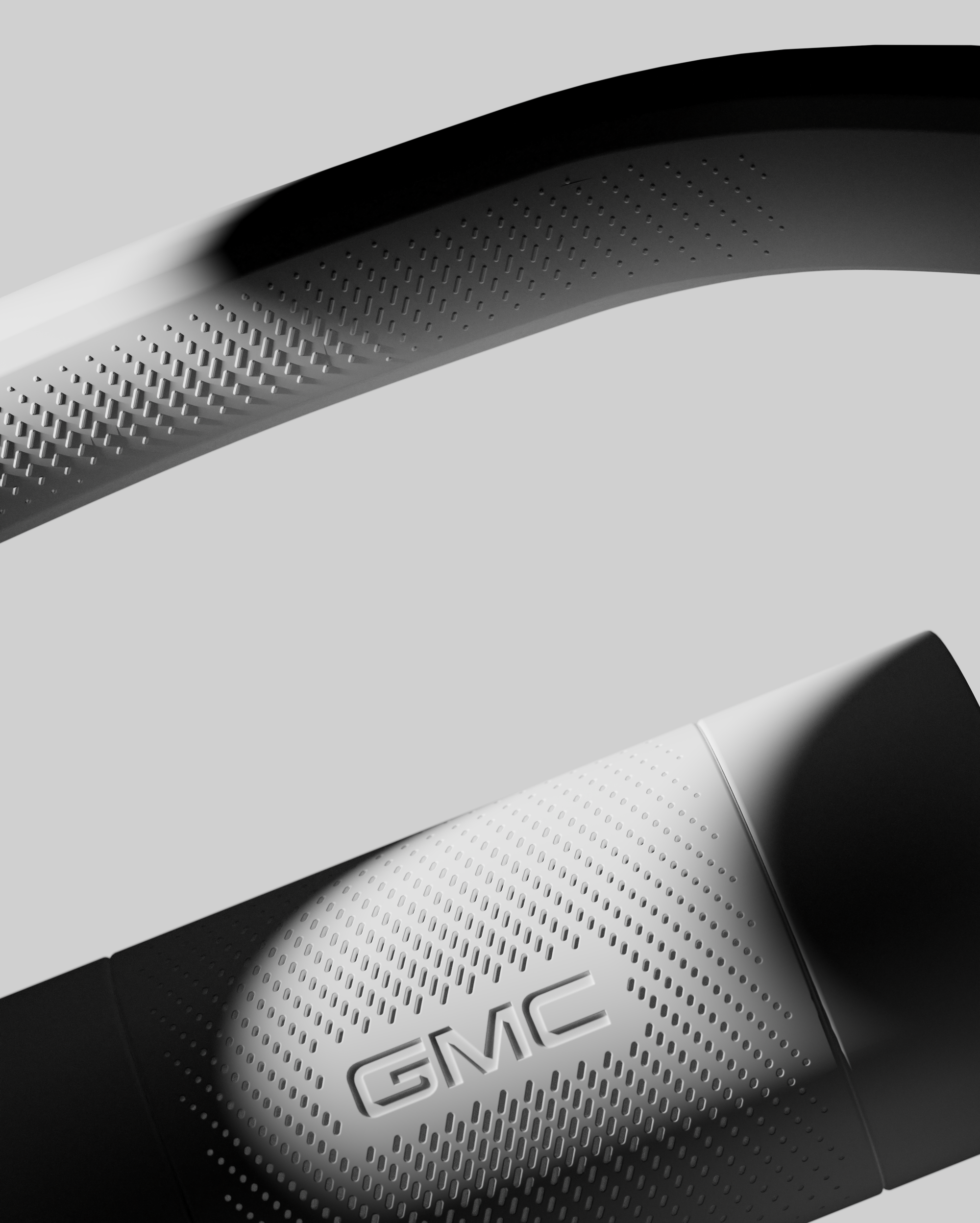
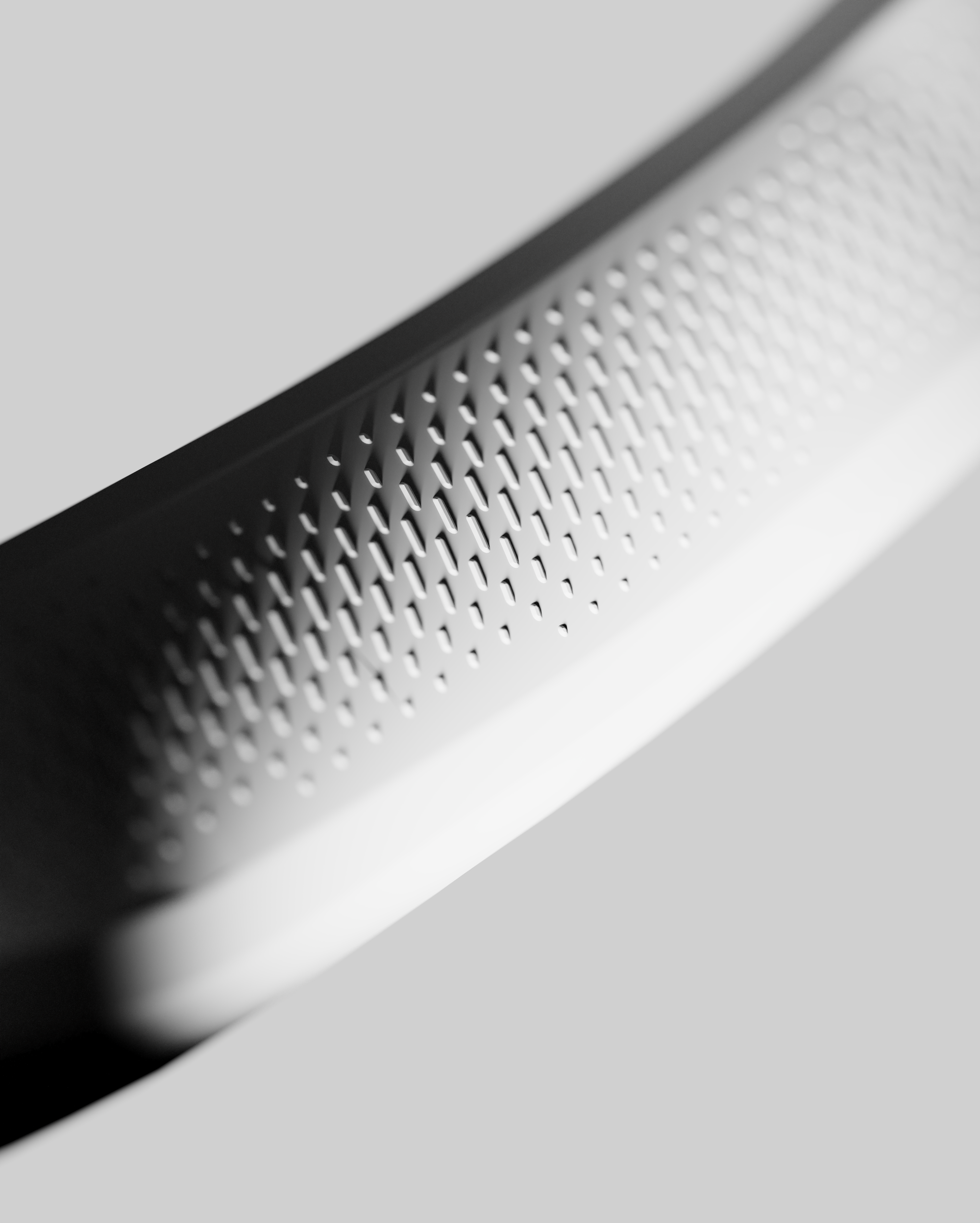
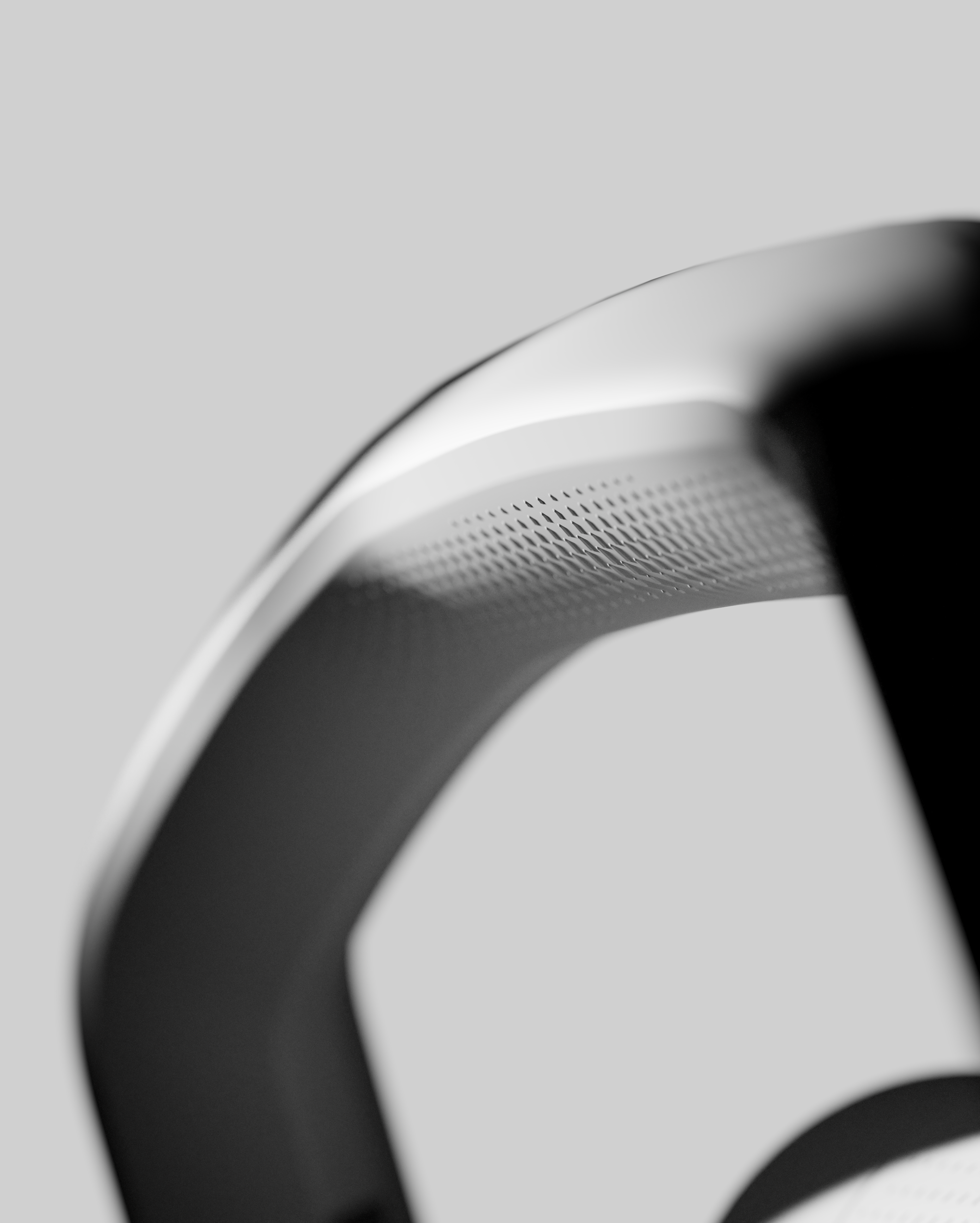
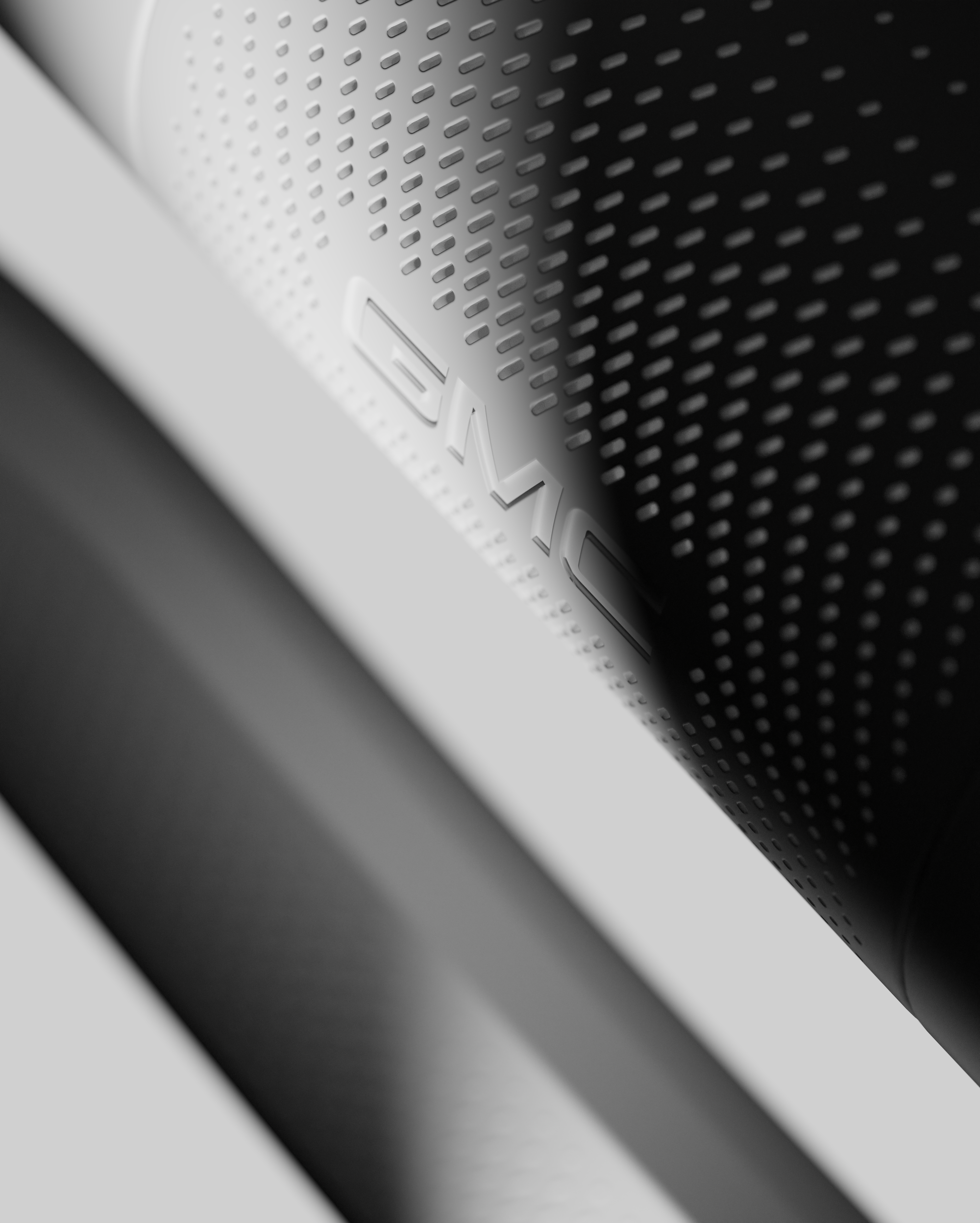
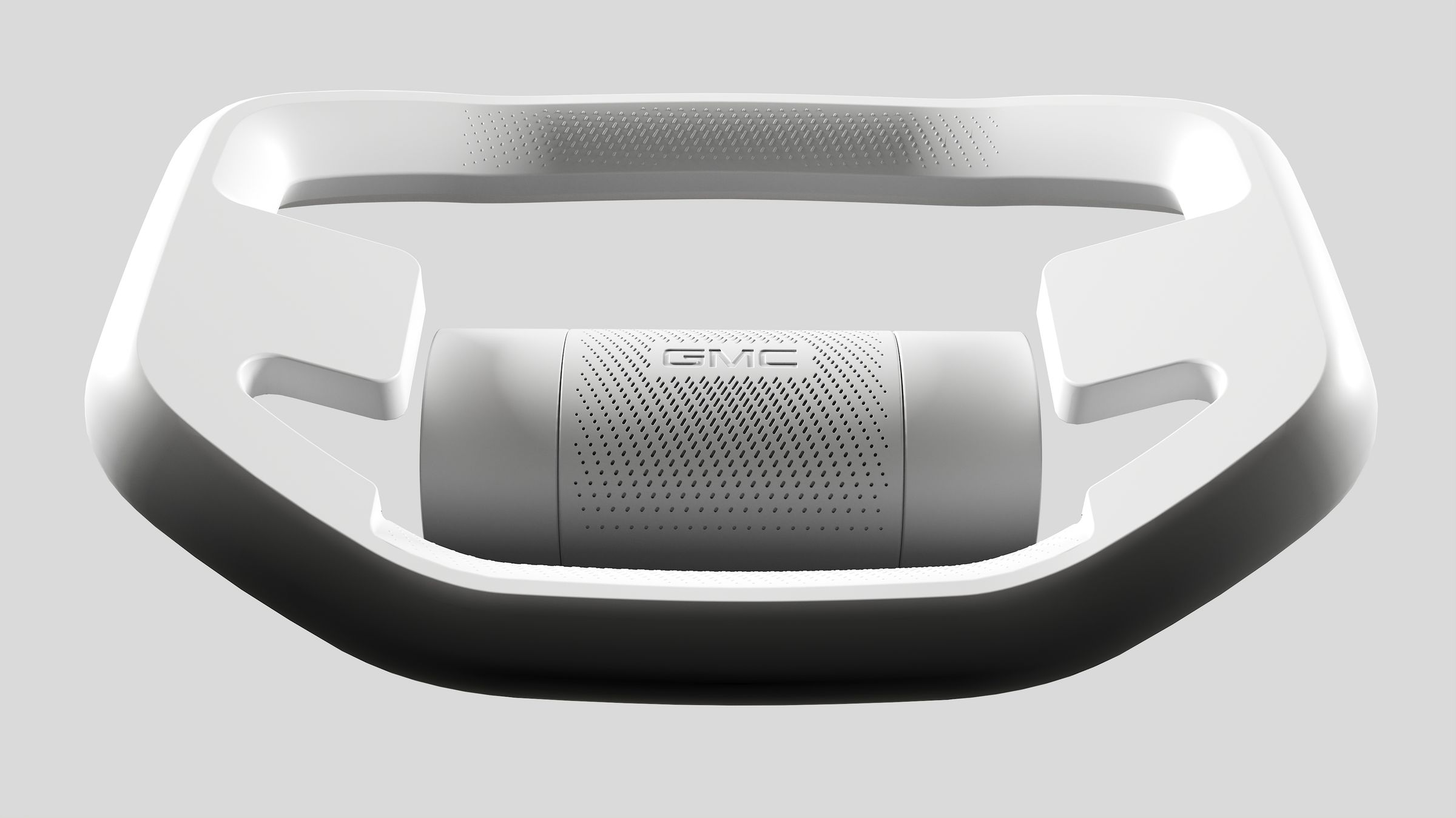
A speculative case study in computational design, infused with a little bit of GMC branding. I modeled these surfaces in Rhino 3D and added fully parametric textures using Grasshopper. G2 continuity was achieved on all patches, along with full control over pattern feature size, density, and gradient.
Roles
- Computational Desinger
- Surface Sculptor
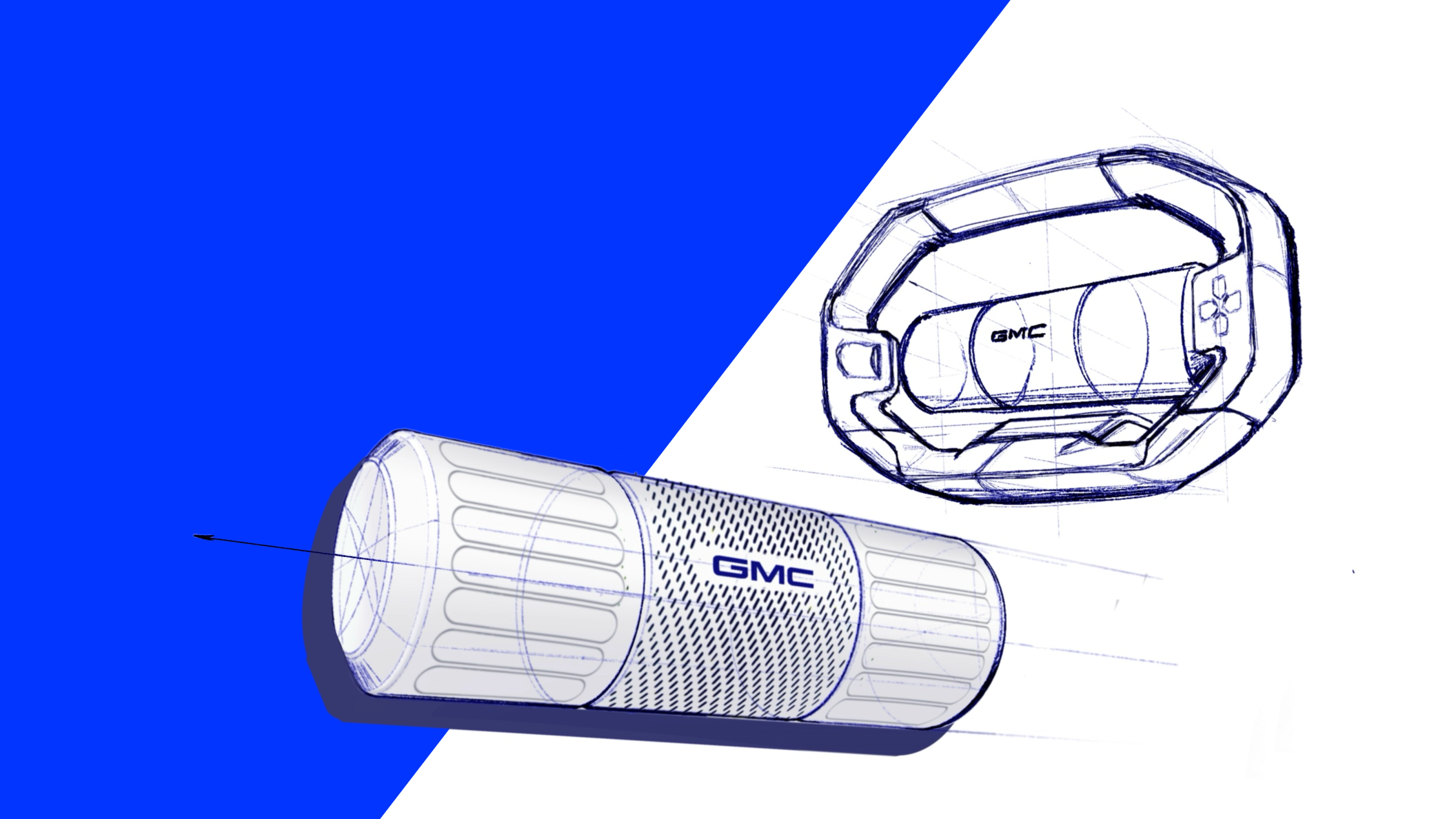
Theme Sketch
GMC's brand is a stoic brand with a symmetrical, architectural logo mark. For a truck interior, I went with brutalist forms that I could dress up with subtle parametric patterns on the hub and grip surfaces.
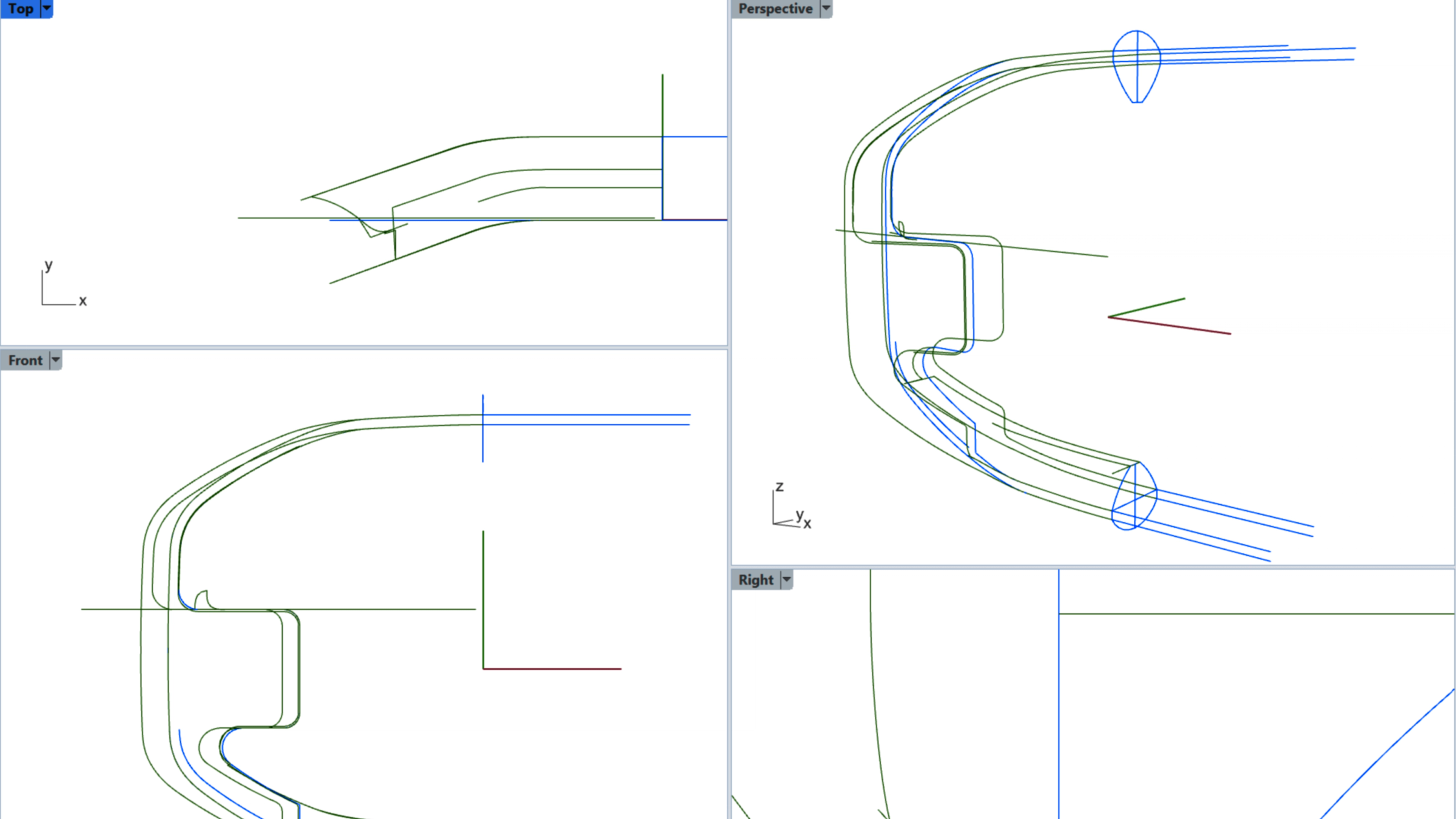
Curve Network
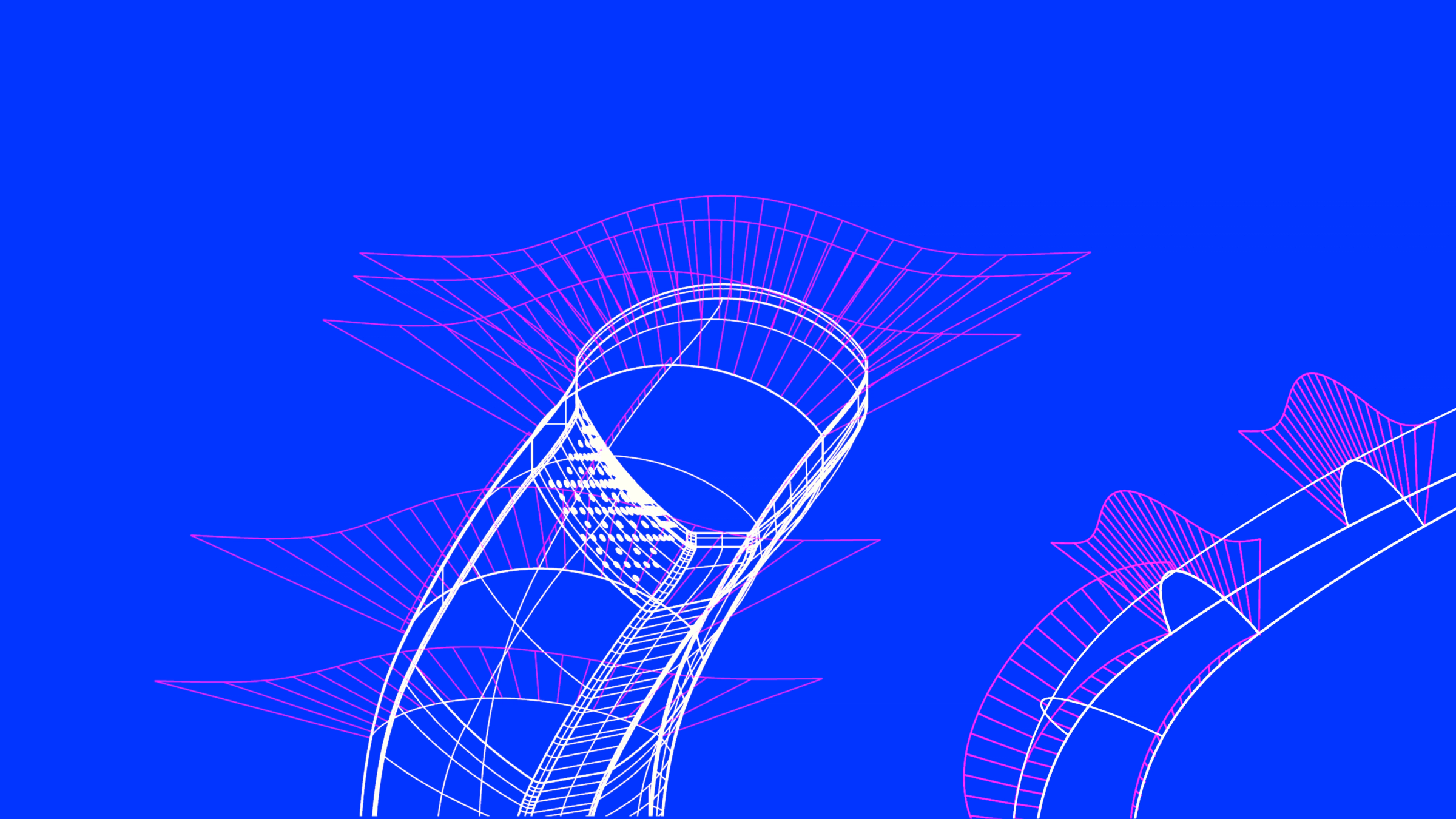
The NURBS model starts with a curve network, that I organize into layers, so it's always available to reference. Color-coding helps me distinguish between working and finalized geometry. Most of the grip is made from sweeps, and the many of the fillets were made using offsets of the original curve network.
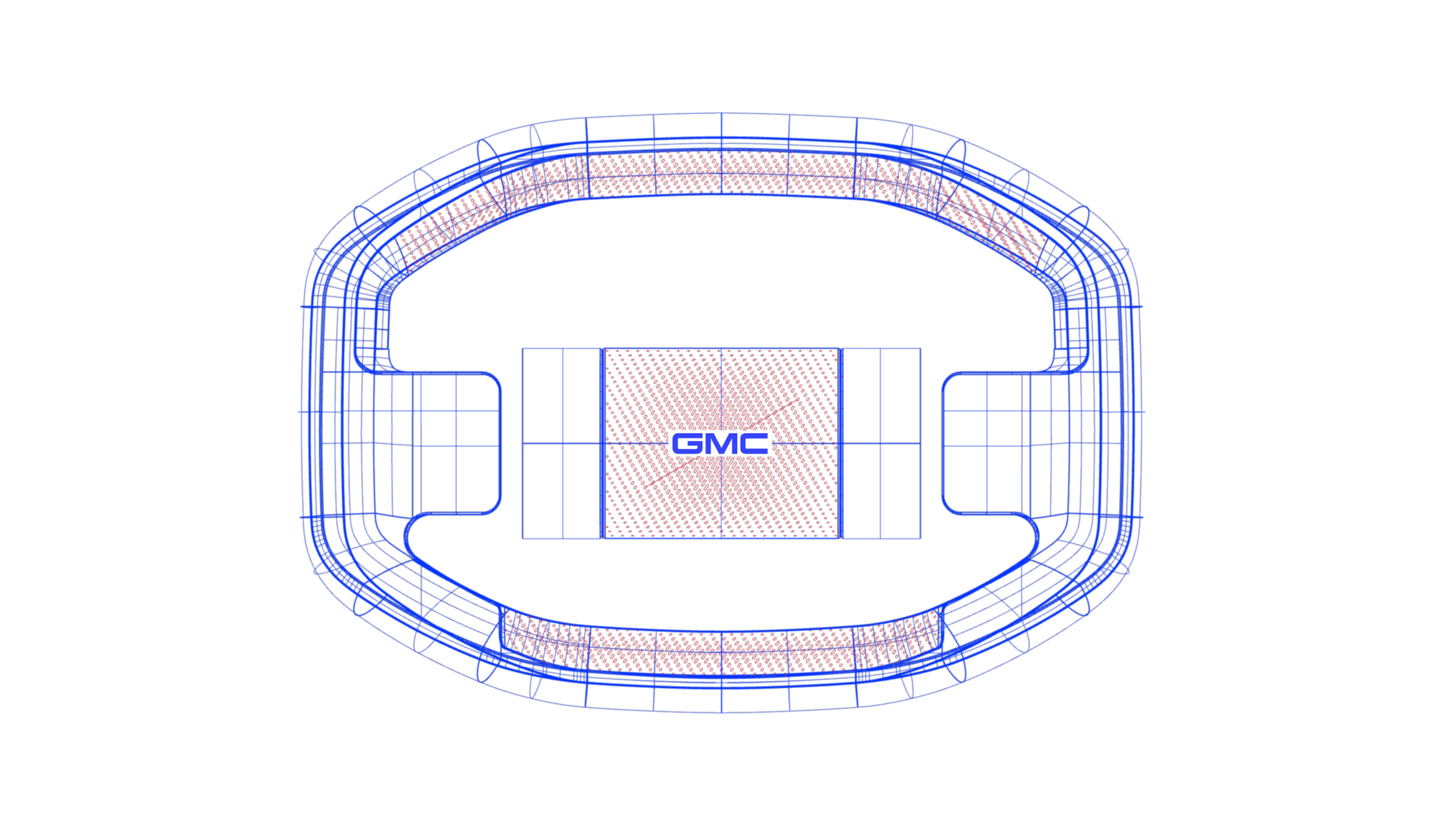
Parametric Geometry
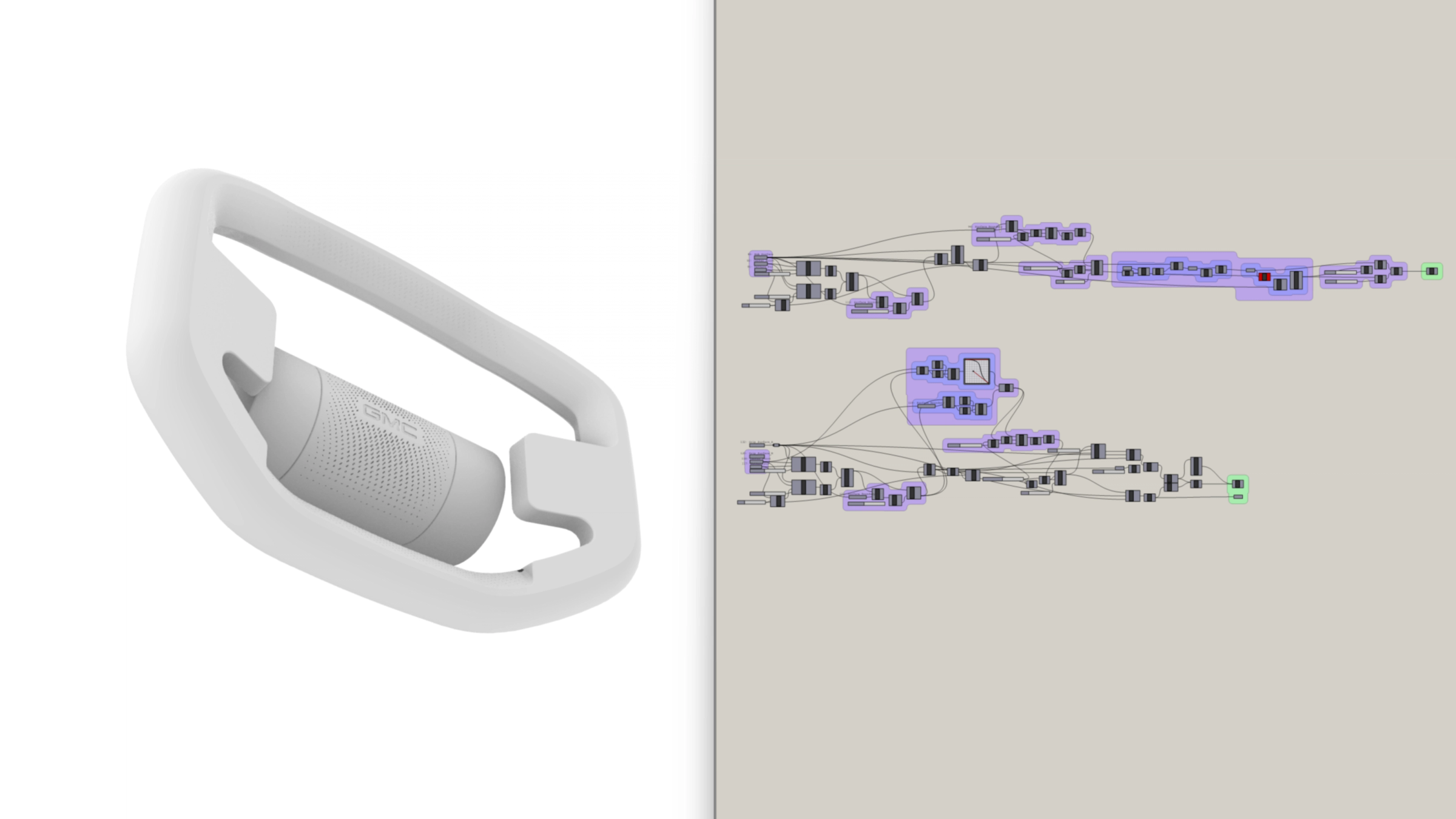
The grip texture and hub texture are defined with Grasshopper algorithms. Both geometries carry the same theme through the design, and start from the same base curves, but they deviate from each other in execution. I used closed BREPS to trim a shelled solid for the hub perforations, and I used pulled curves to split both surfaces for the embossed grip texture. The base surfaces for the grip textures are multi-patch BREPS, which changes the workflow from a single-surface patch. The challenge was handling the seams so that the operations still run with any parameter inputs. The result is a reliable and repeatable algorithmic tool, that can be used to apply the design theme to any BREP throughout the design.