Zandfoort aan Zee
Abstract
This self-directed study examines the underlying geometric structure of naturally occurring surfaces, and demonstrates several computational methods for modeling them. The project began as an exercise in understanding how geometric data is represented from mathematical expressions, and how those expressions can be modeled, manipulated, and visualized. No novel algorithms are proposed. Rather, the works intent is to document an incremental learning process. The resulting workflow offers a transparent reference for others intent on translating mathematical concepts into physical outcomes.
Part 1
This summer, I had the privilege of visiting Haarlem, in the Netherlands, for the Amsterdam 2025 edition of CDFAM Computational Design Symposium. On my day off, I traveled to Zandvoort aan Zee for a beach day, and something captured my attention: intricate, loosely repeating patterns carved into the sand bar by wave currents. As a junior designer I could not help but marvel at the aesthetic harmony of what I saw. As a novice programmer, I had to ponder what logic governed it. I noticed that the patterns could be grouped together with similar traits, and that the wave currents produced several discernable phenomena. Pictured below, is a non-exhaustive set of the phenomena I was able to photograph:
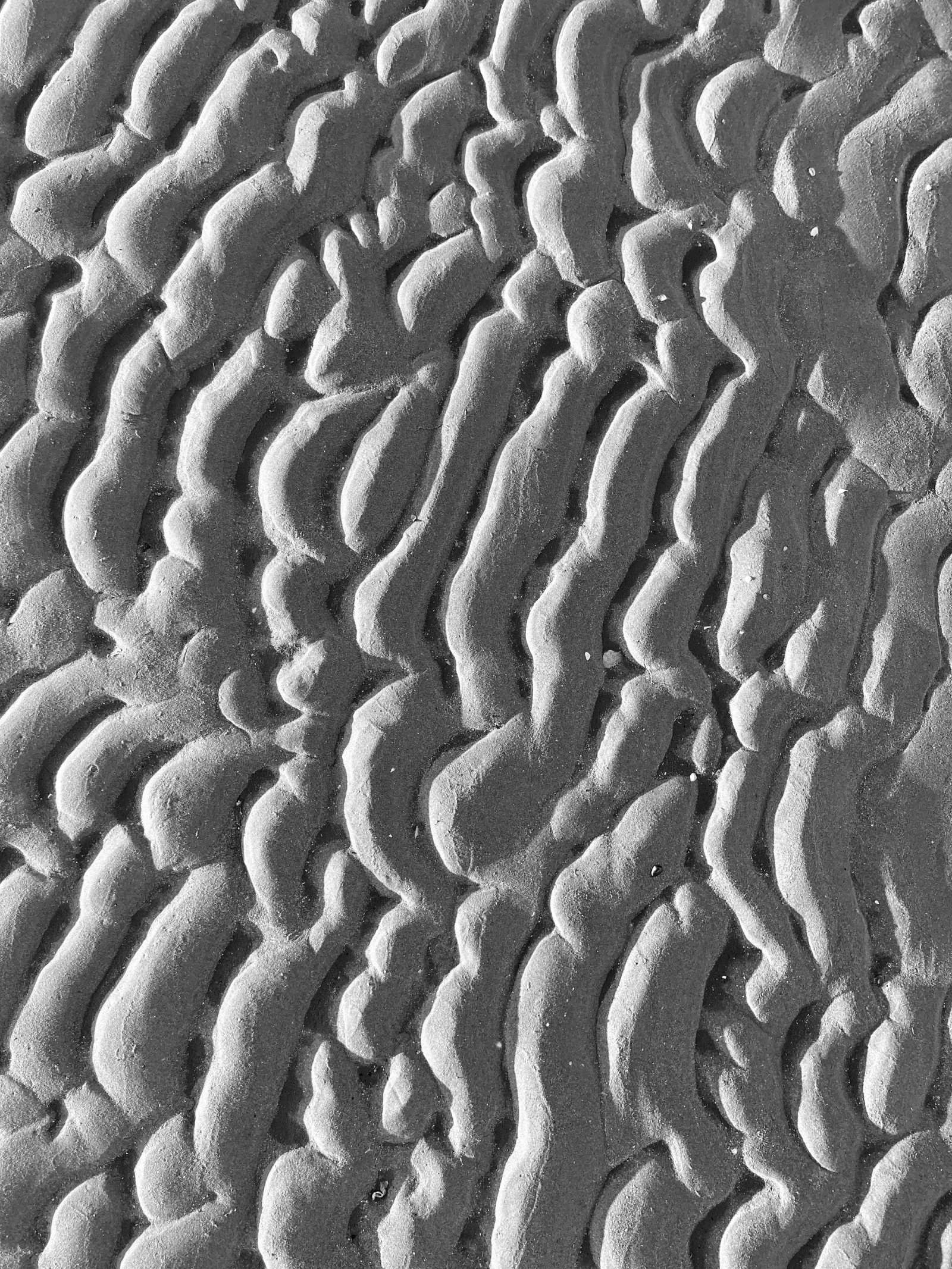 A_01
A_01 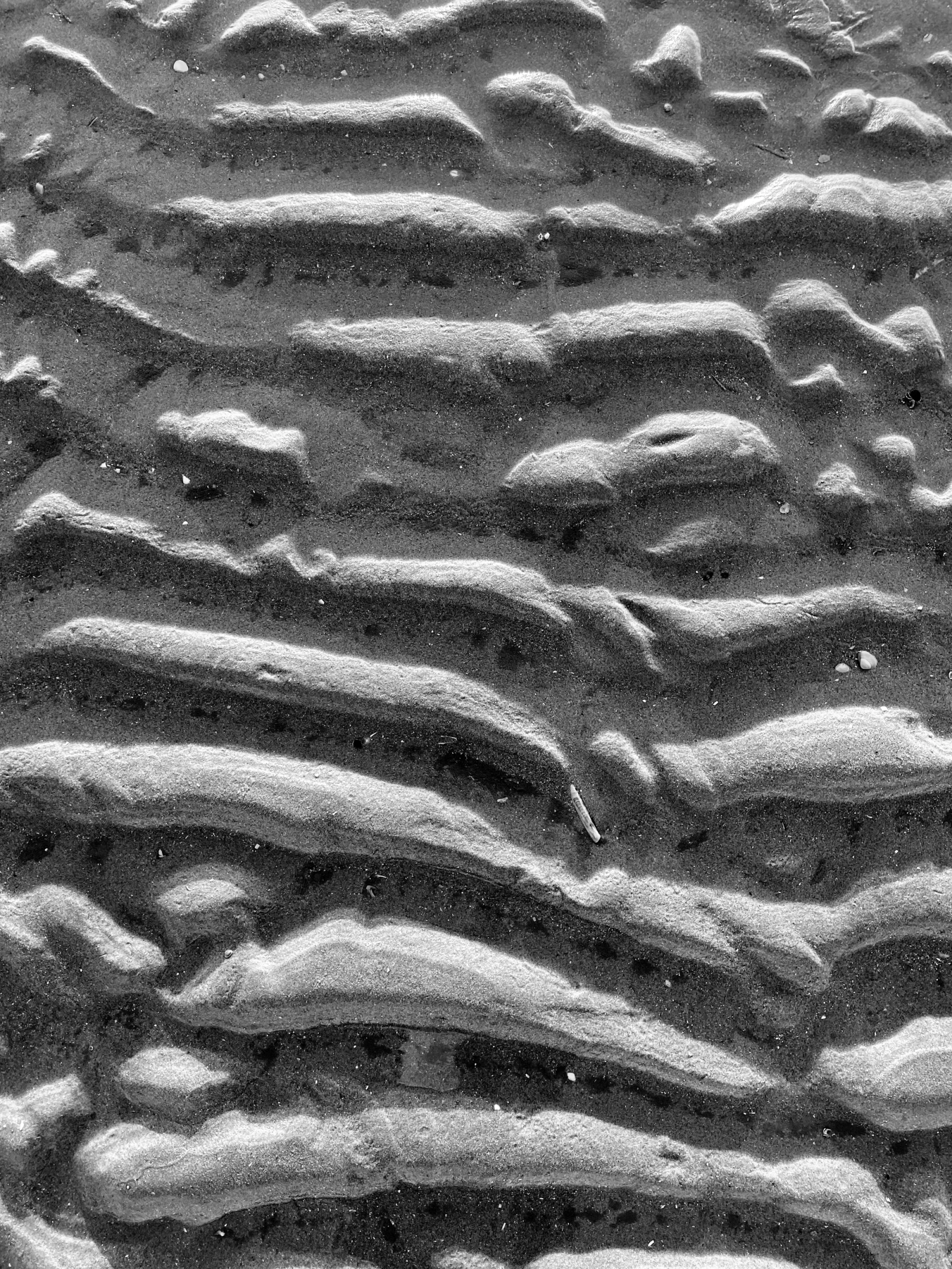 A_02
A_02 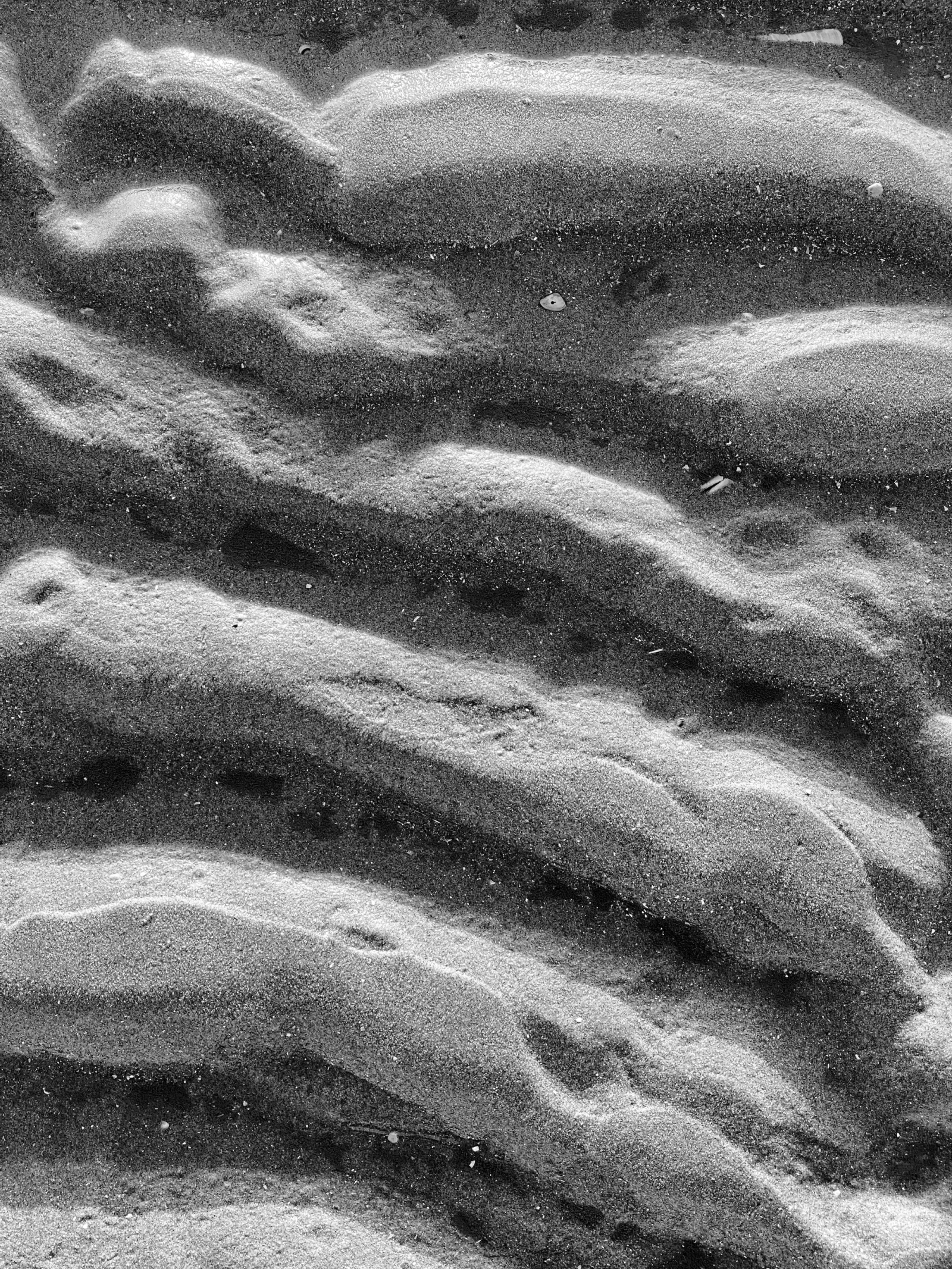 A_03
A_03 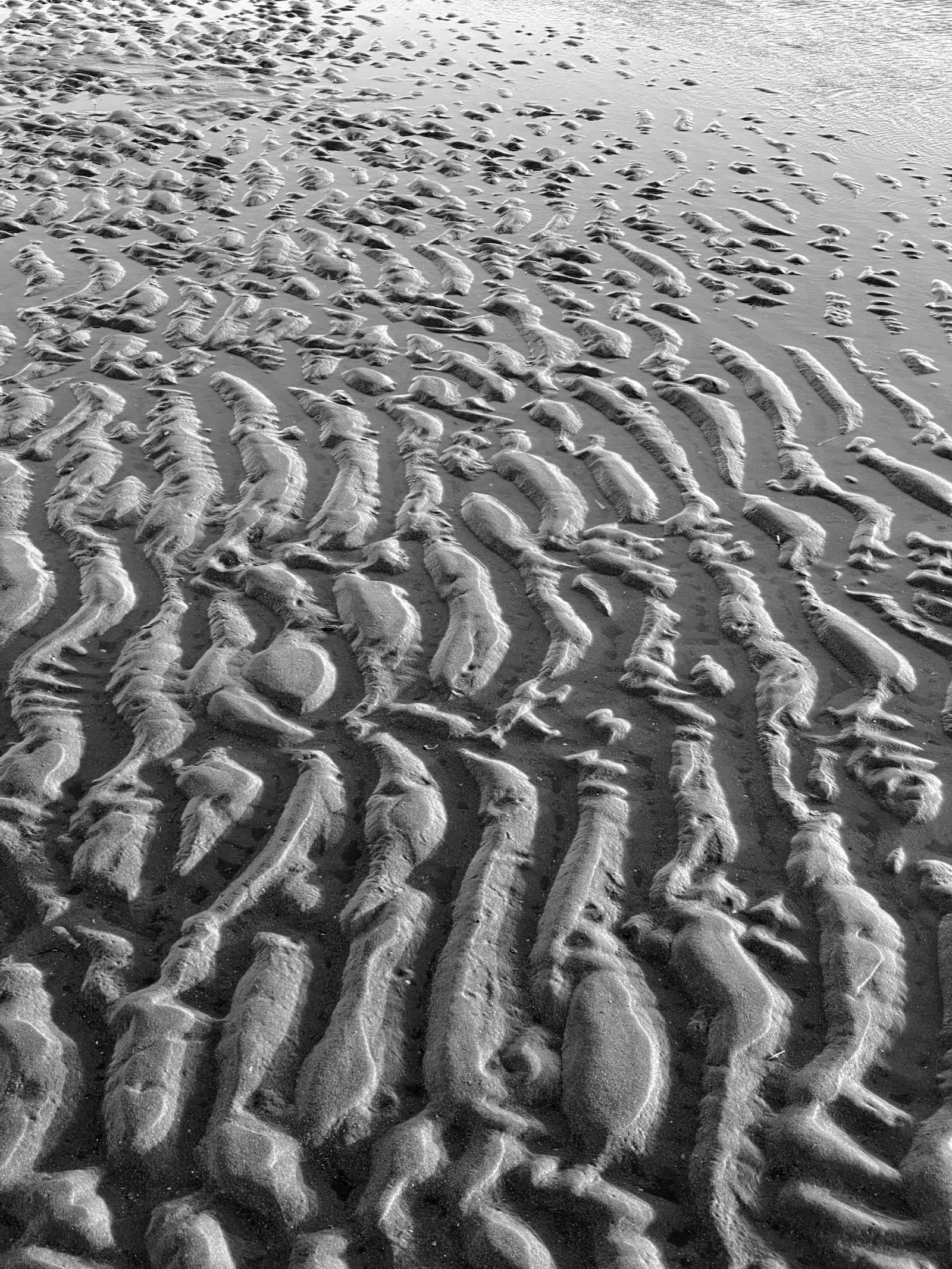 A_04
A_04 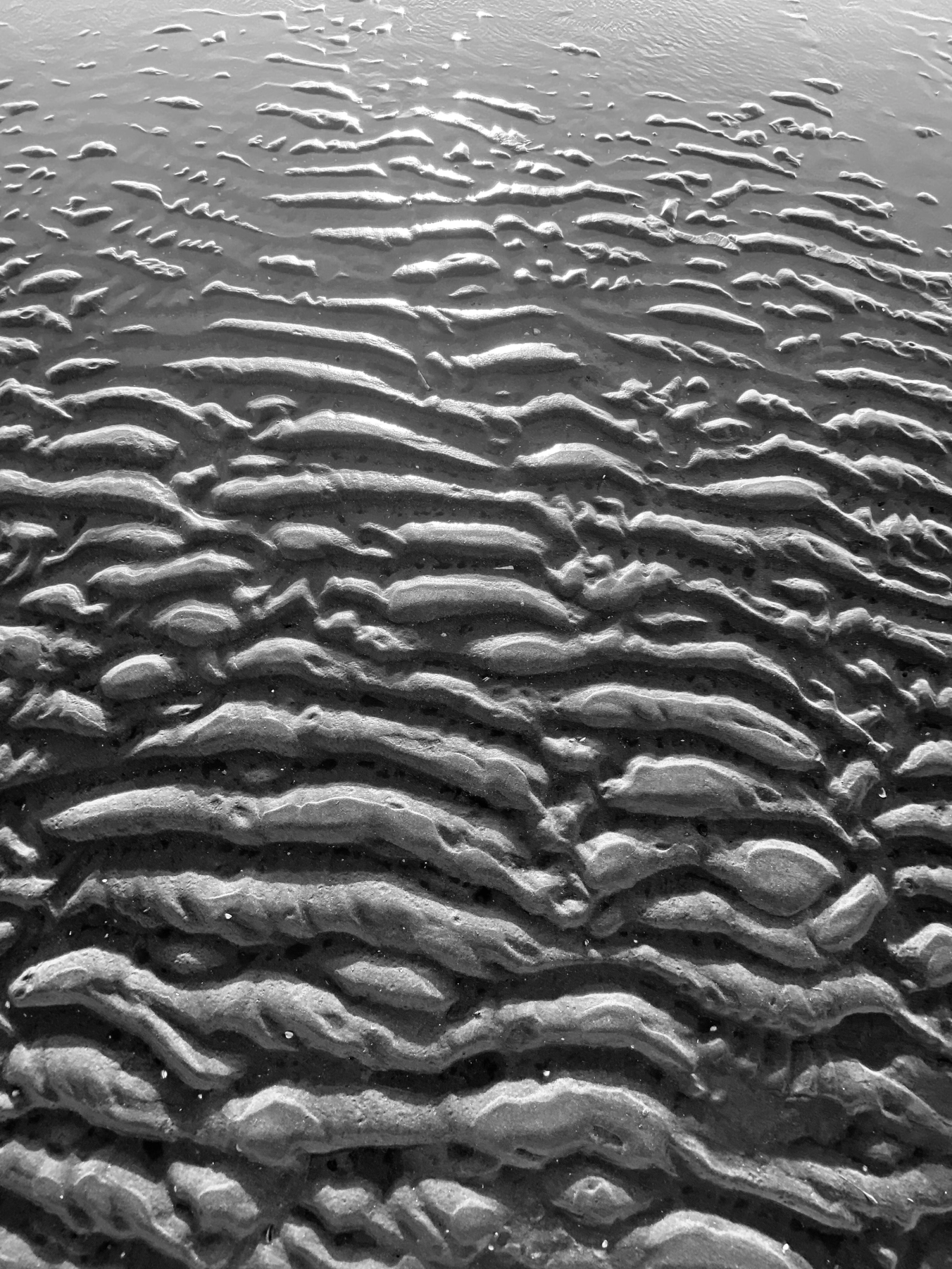 A_05
A_05 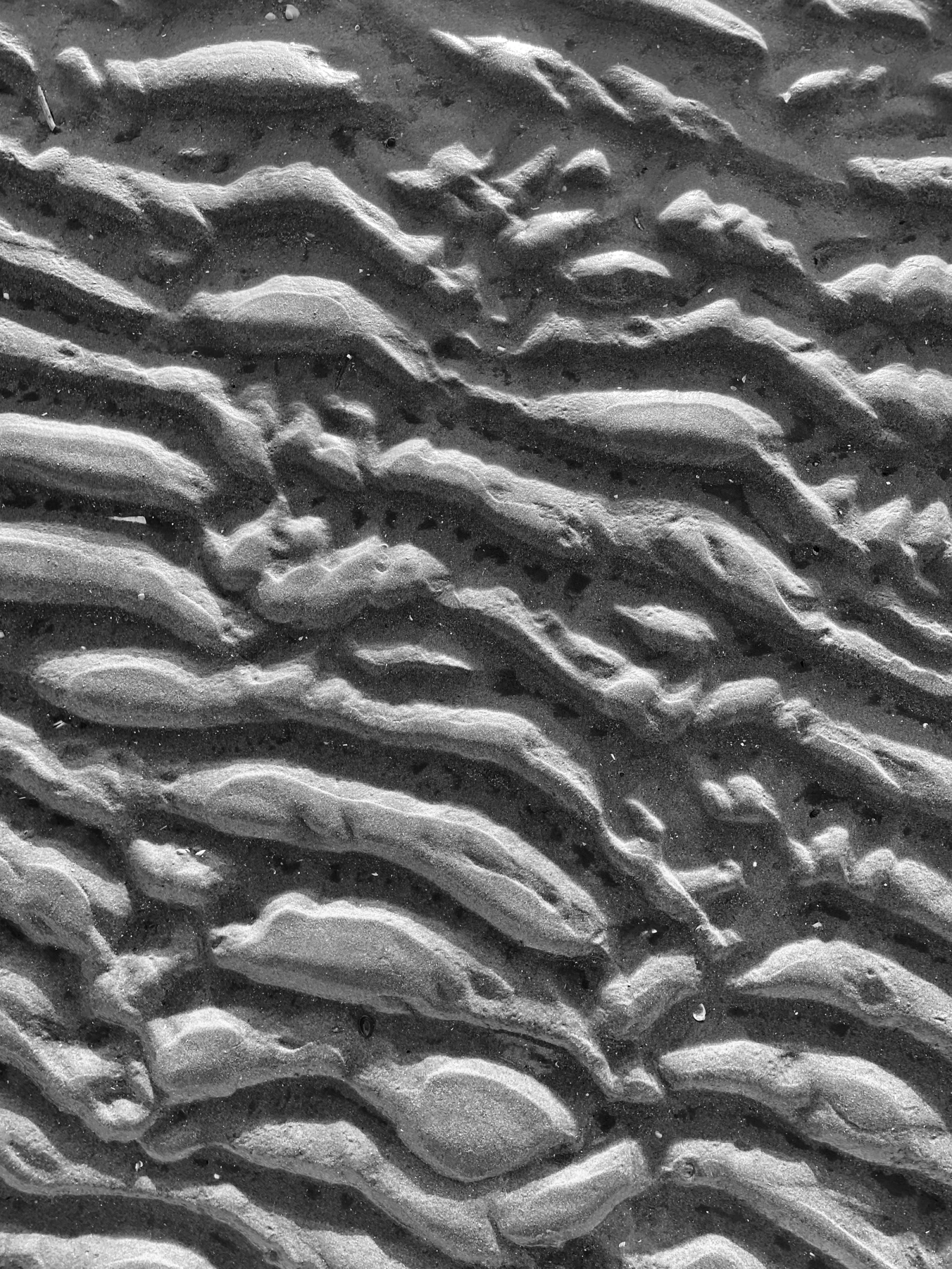 A_06
A_06 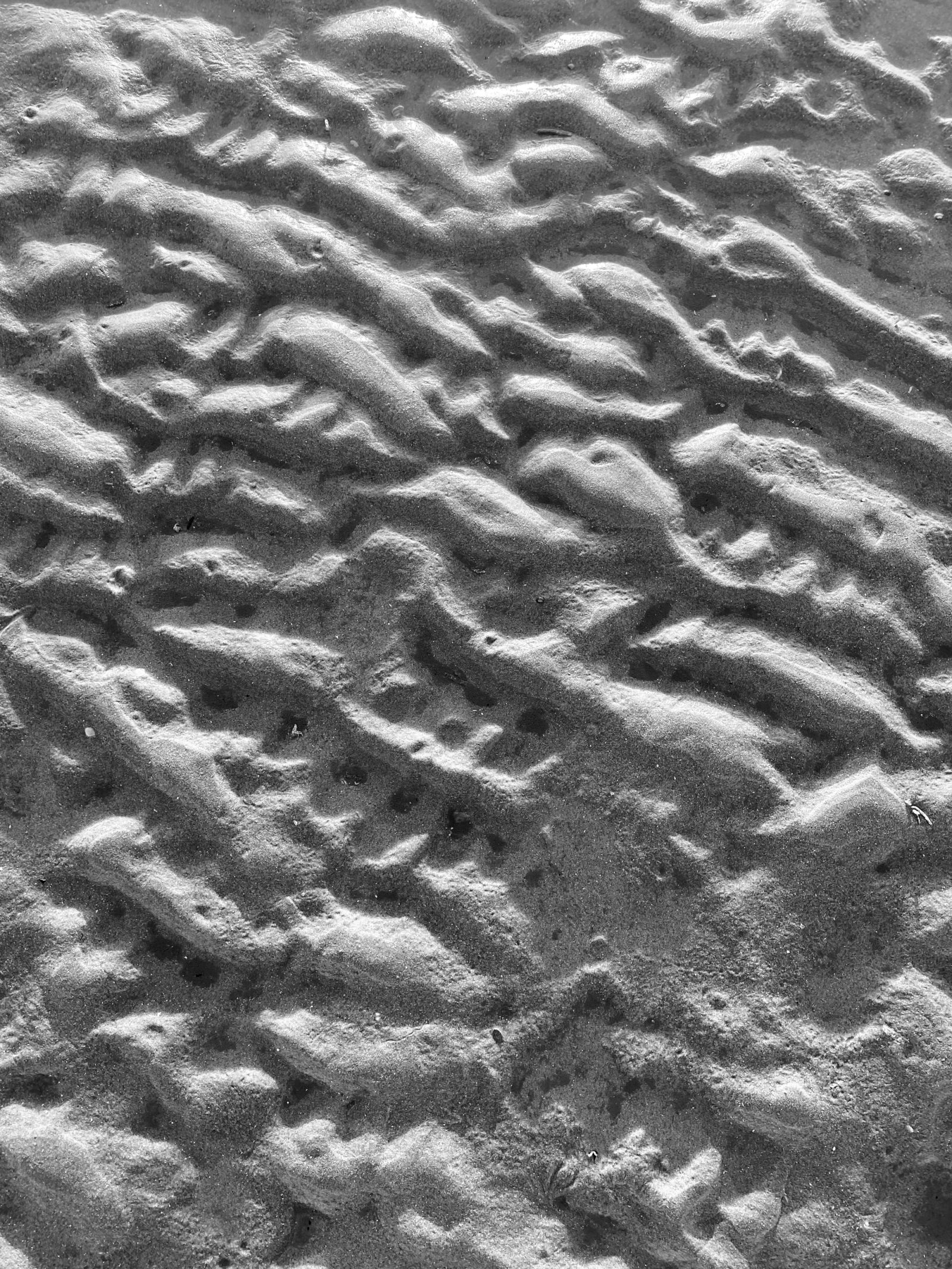 A_07
A_07 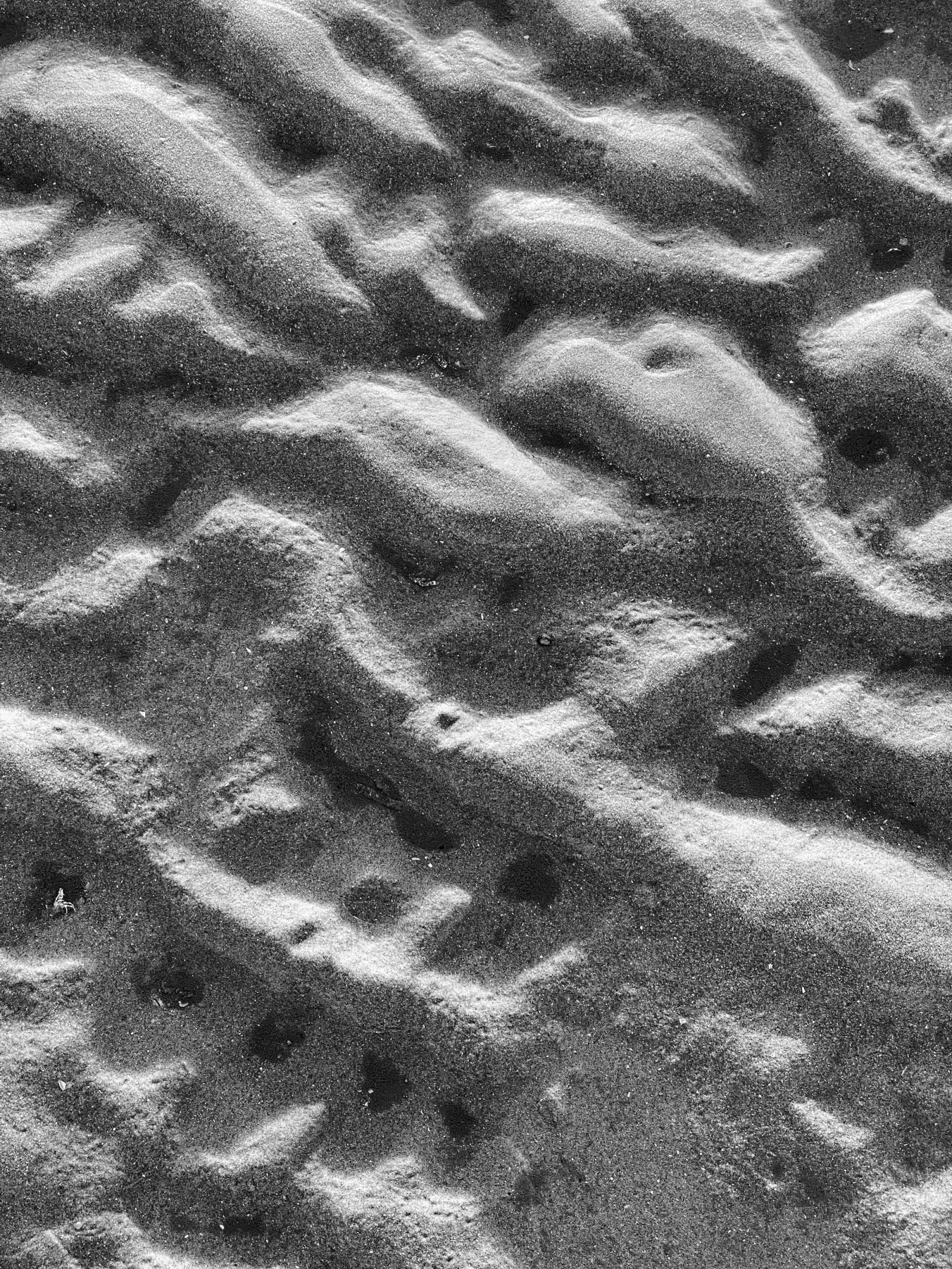 A_08
A_08 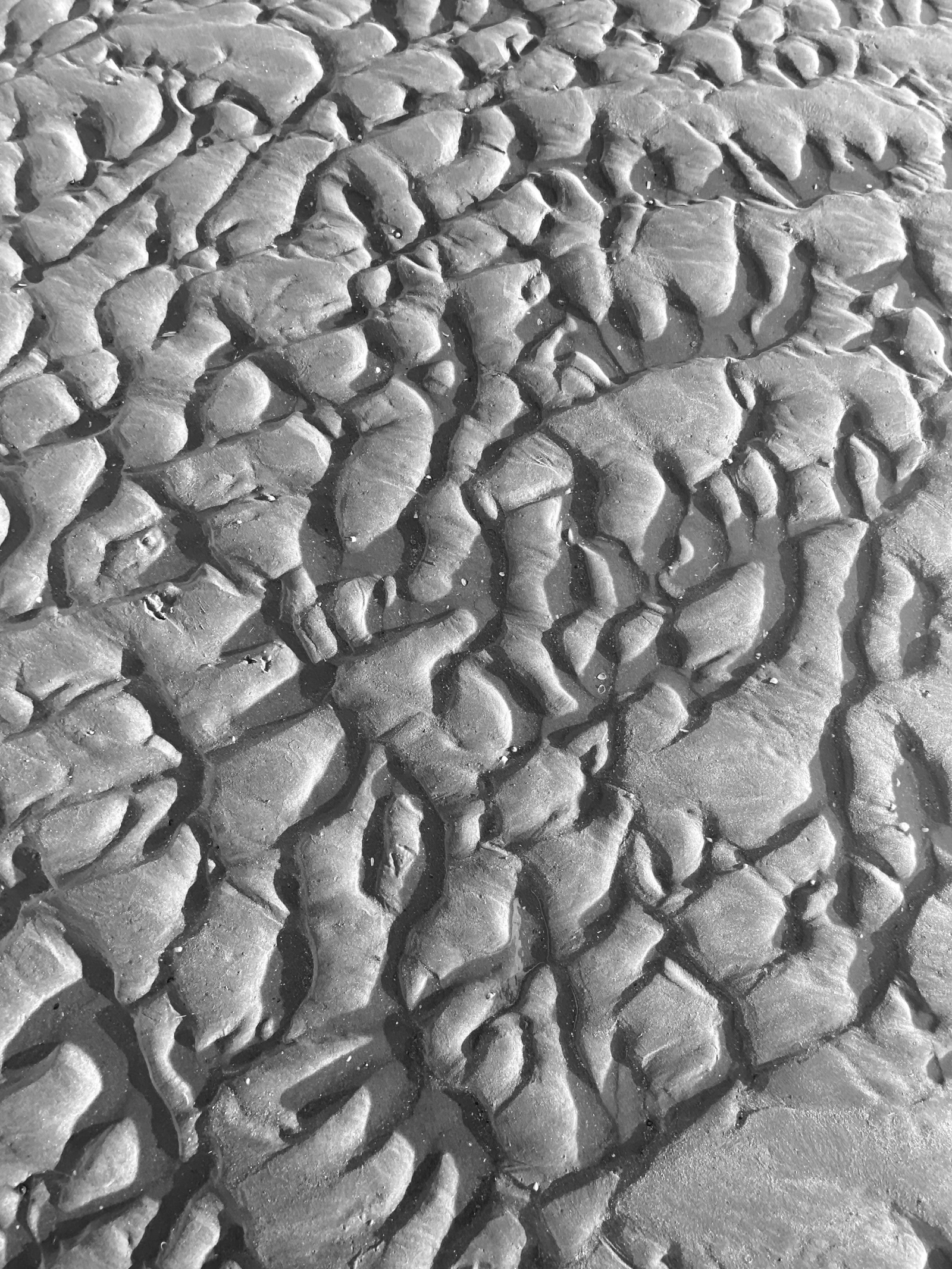 B_01
B_01 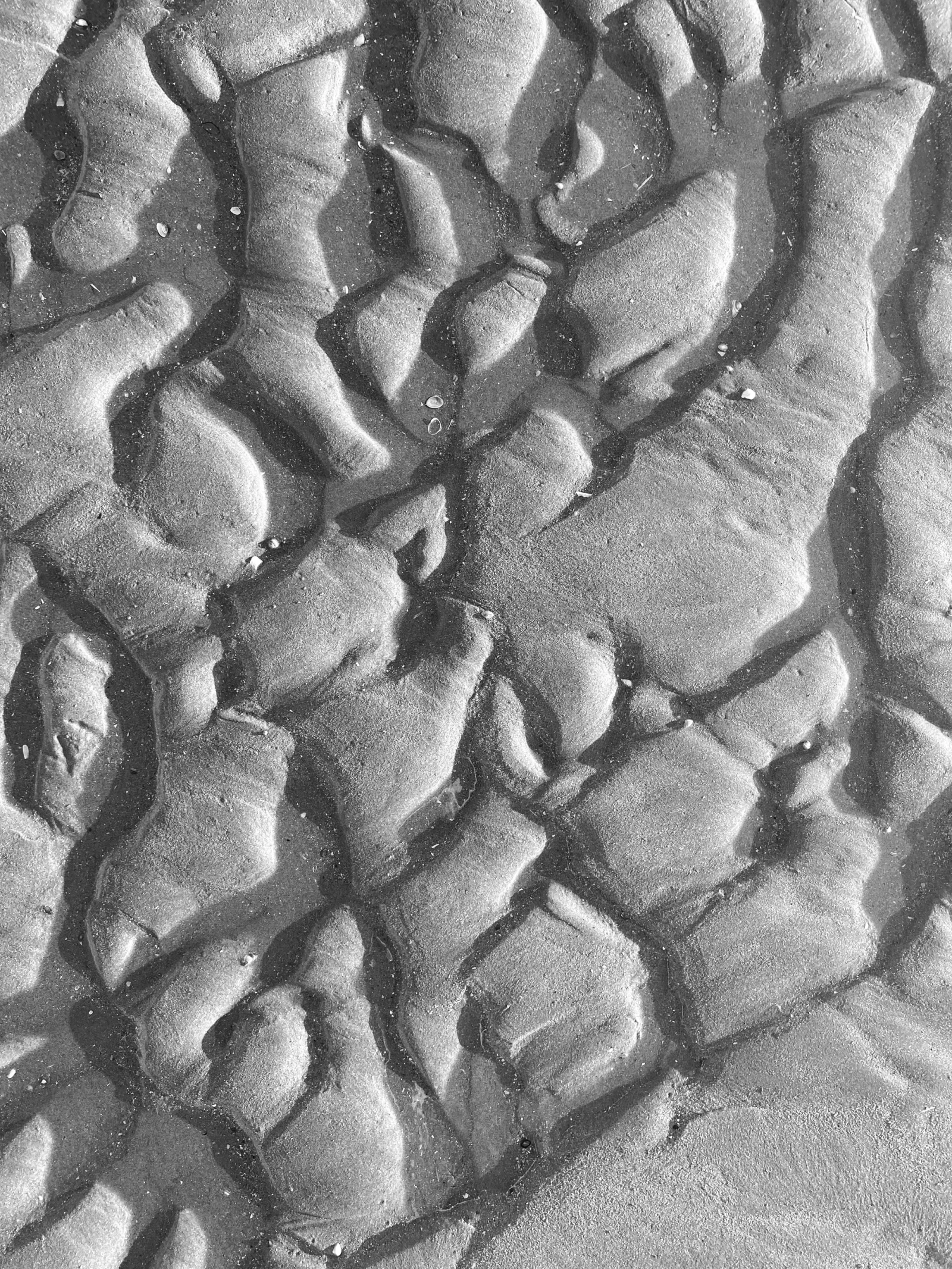 B_02
B_02 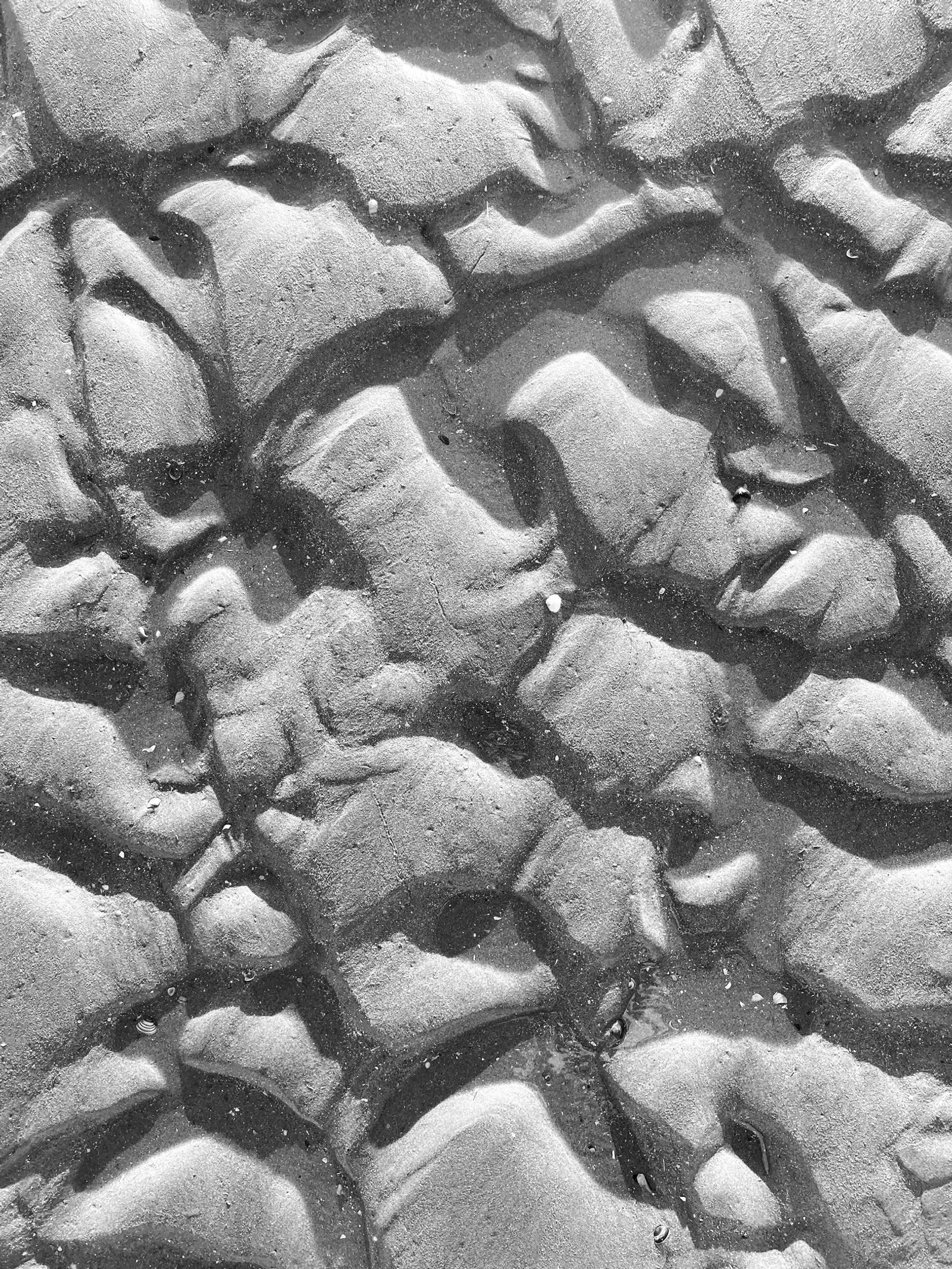 B_03
B_03 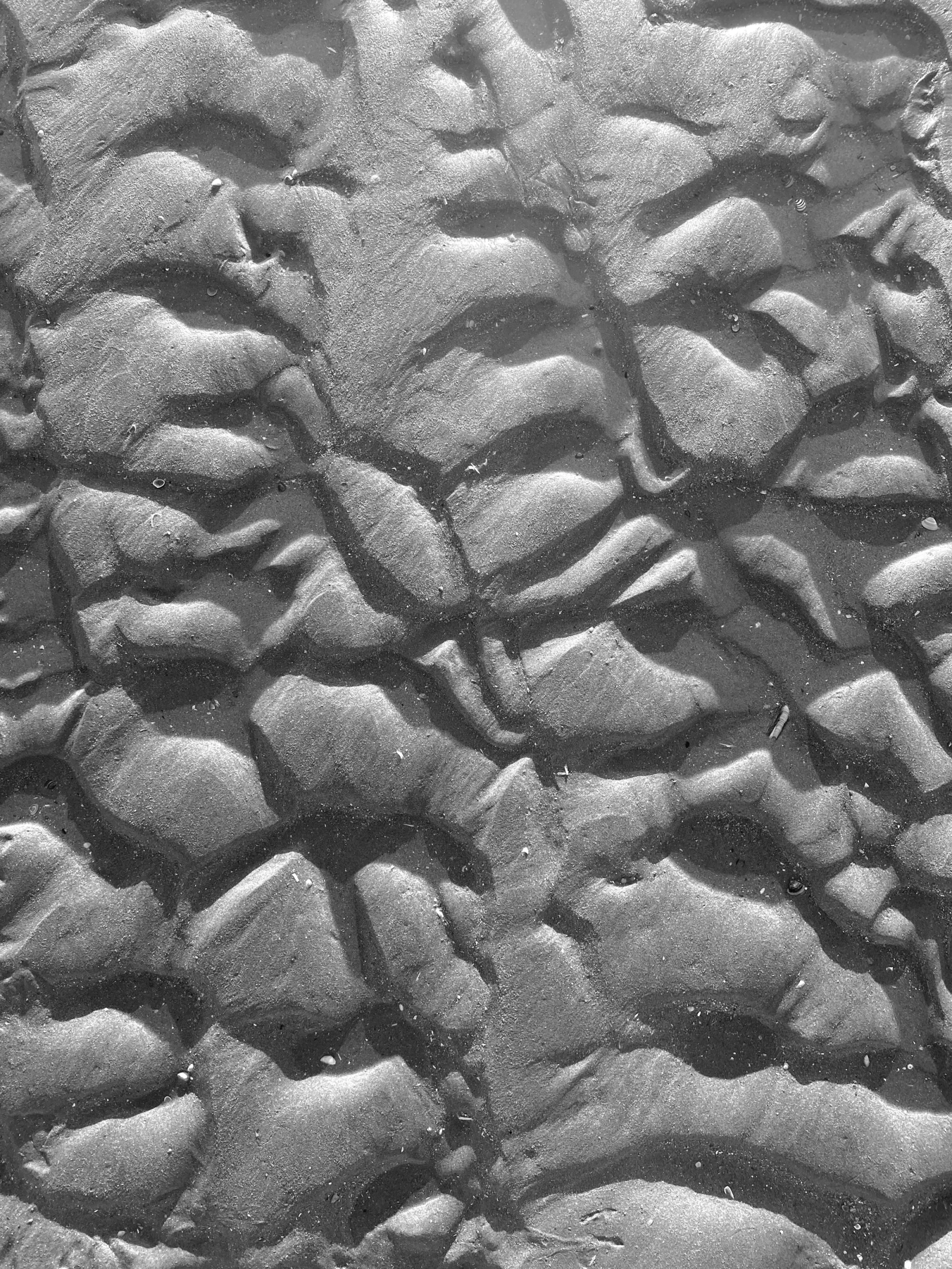 B_04
B_04 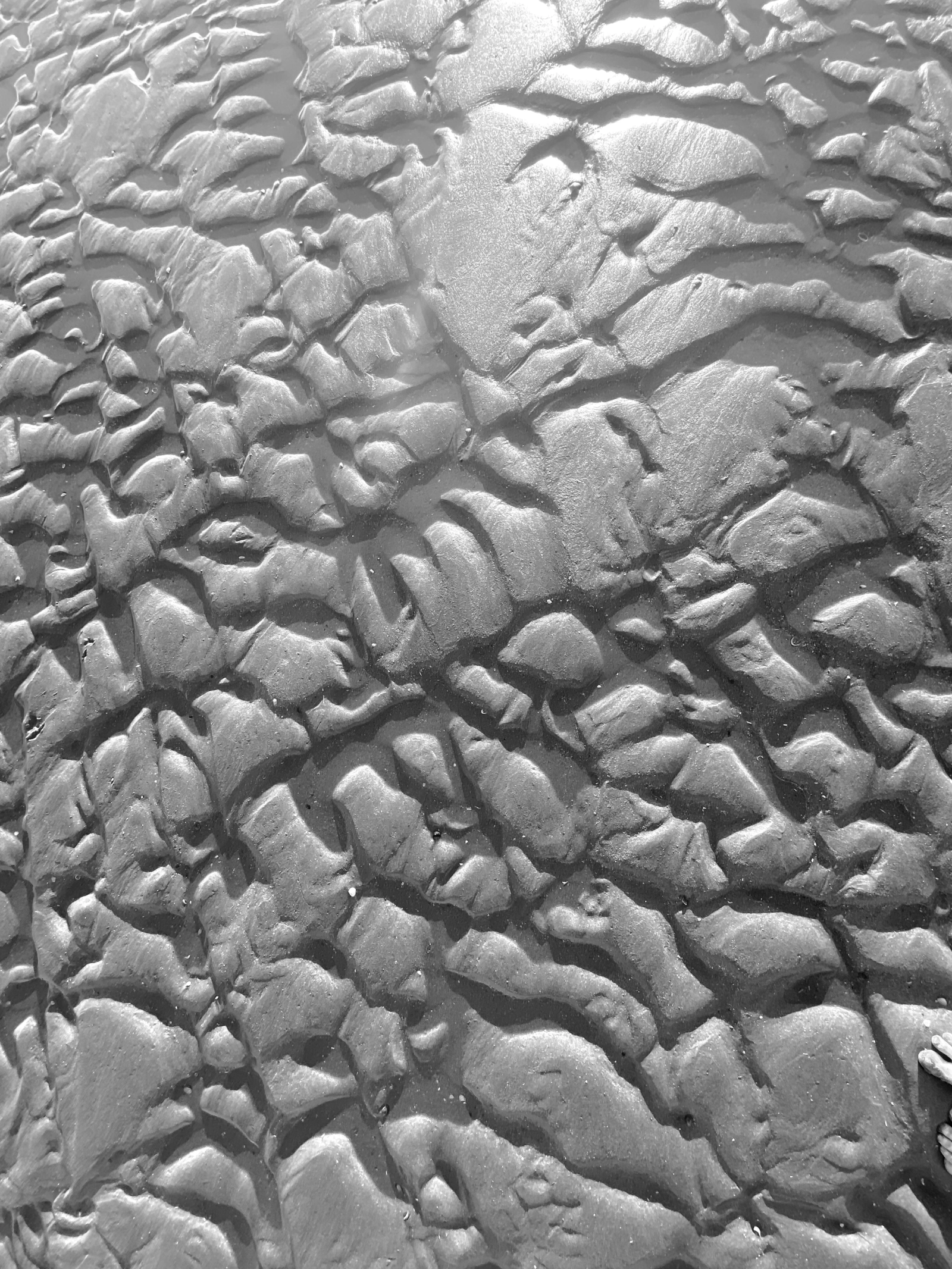 B_05
B_05 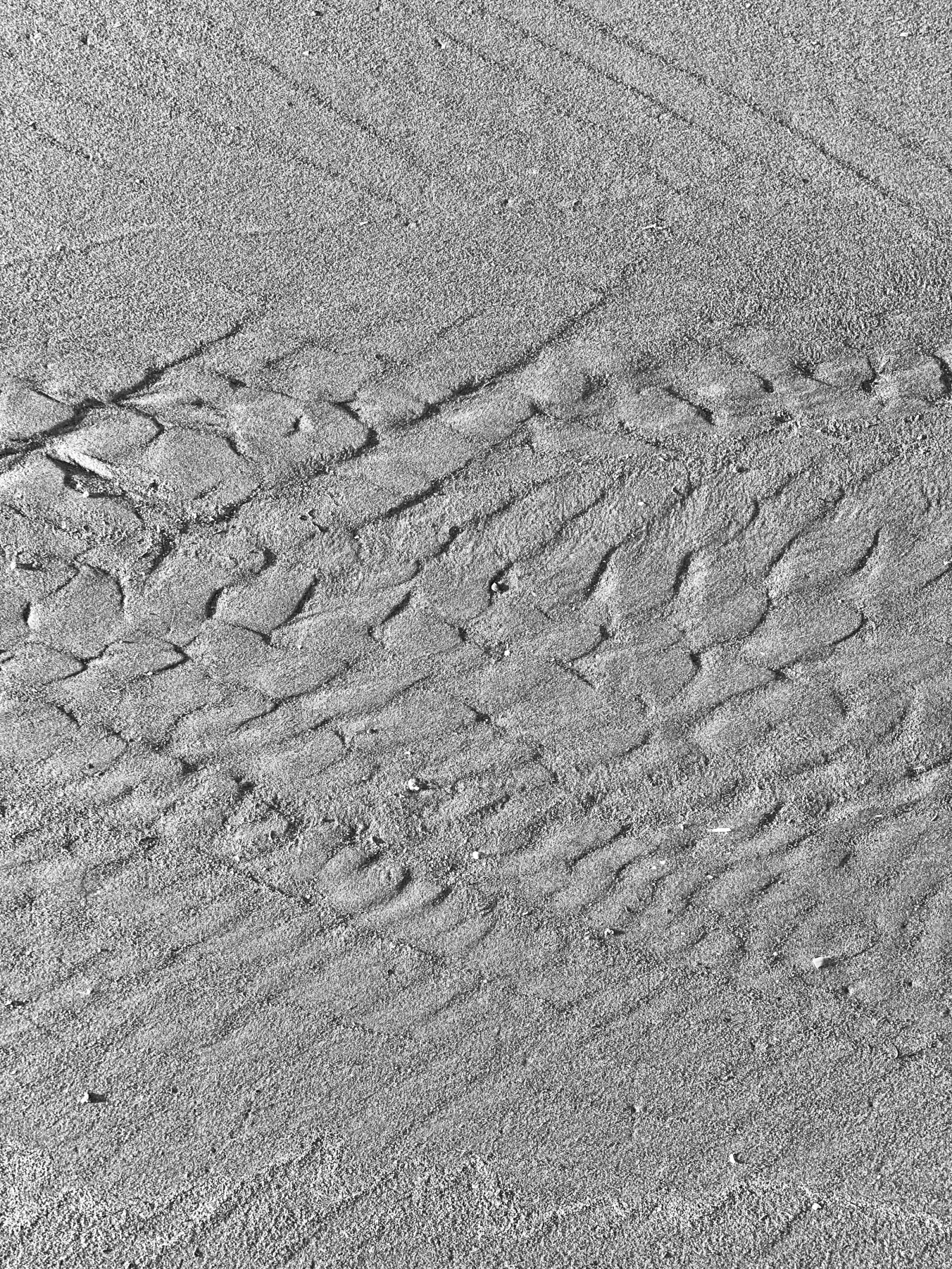 C_01
C_01 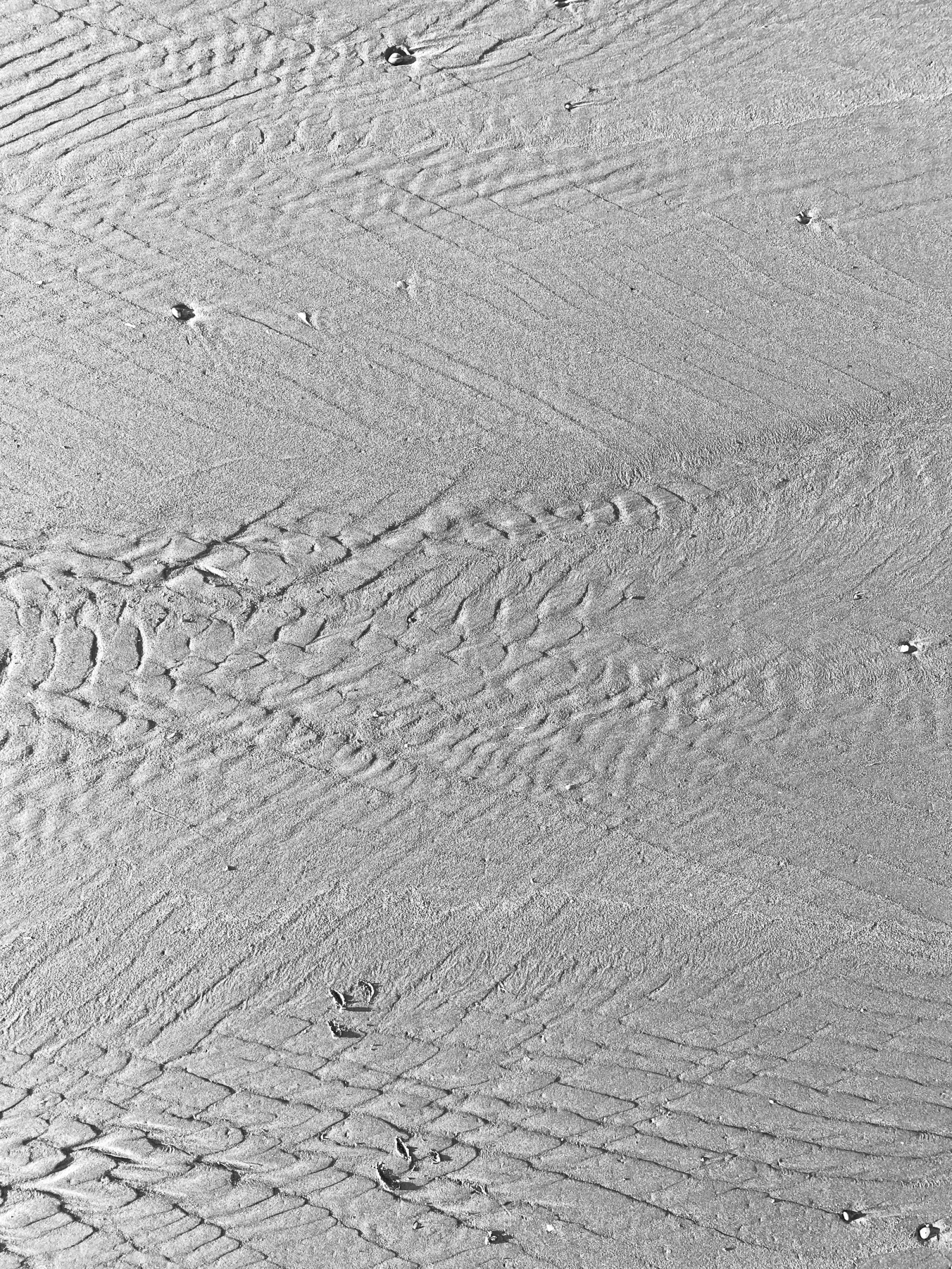 C_02
C_02 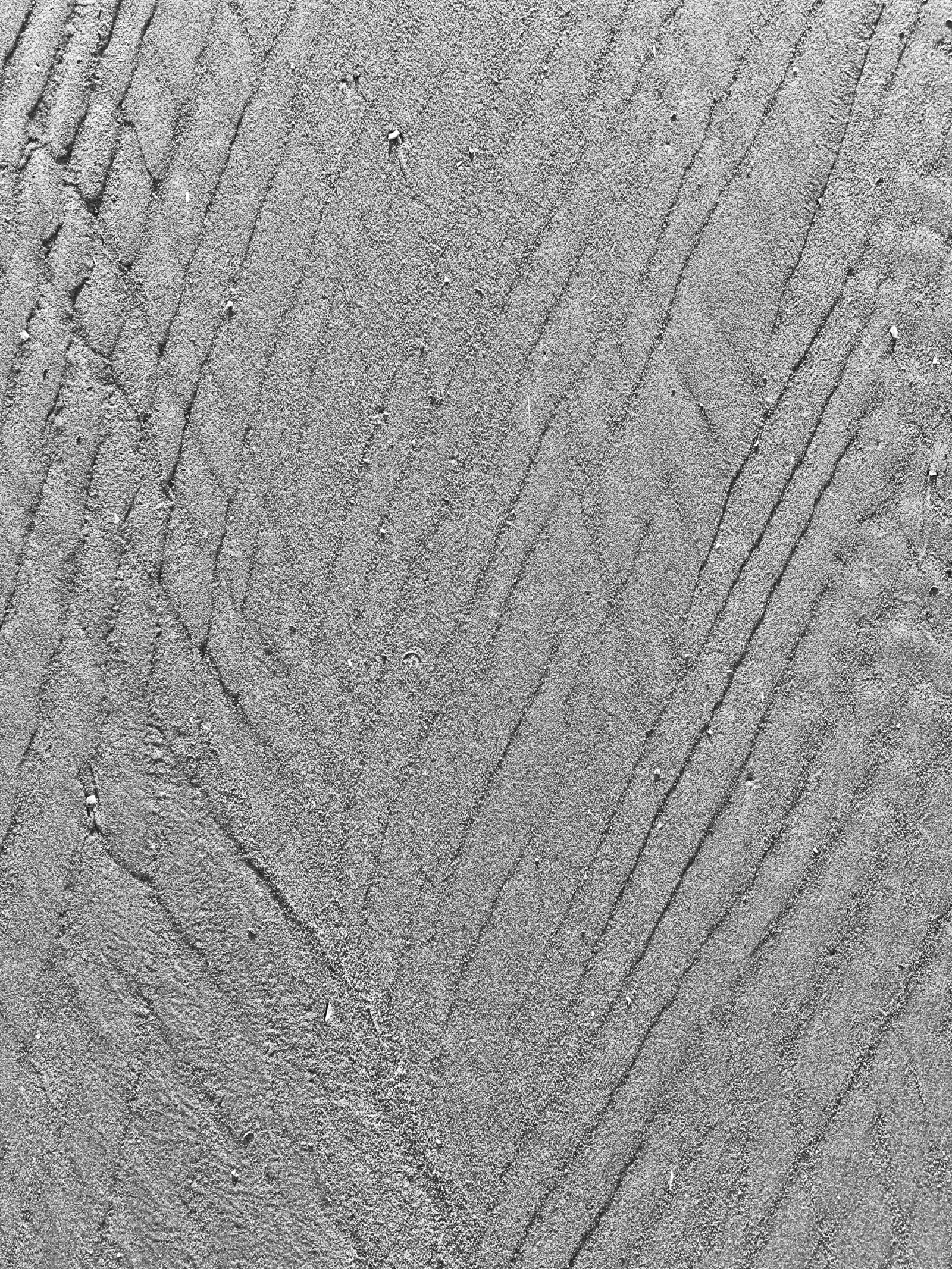 C_03
C_03 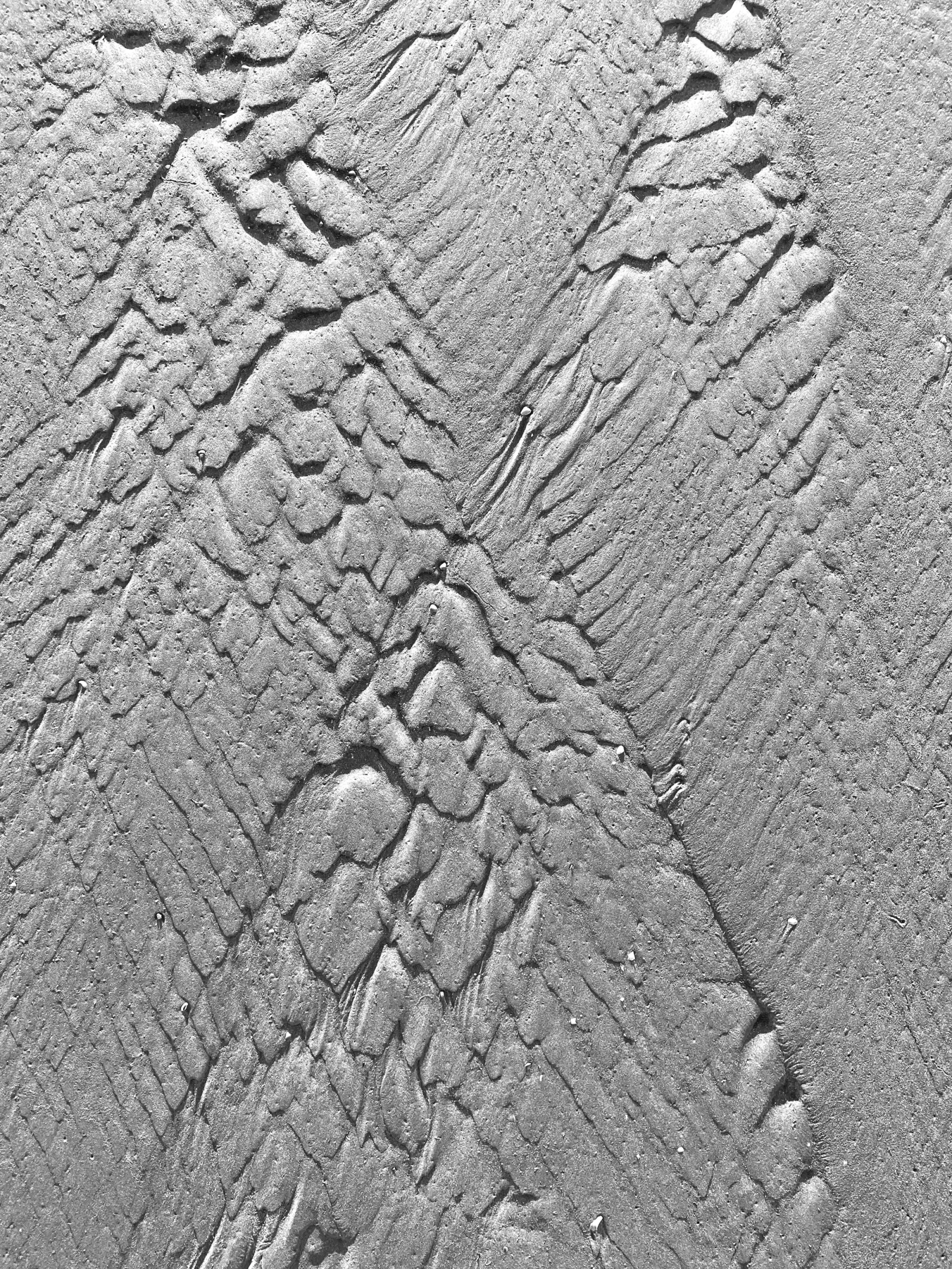 C_04
C_04 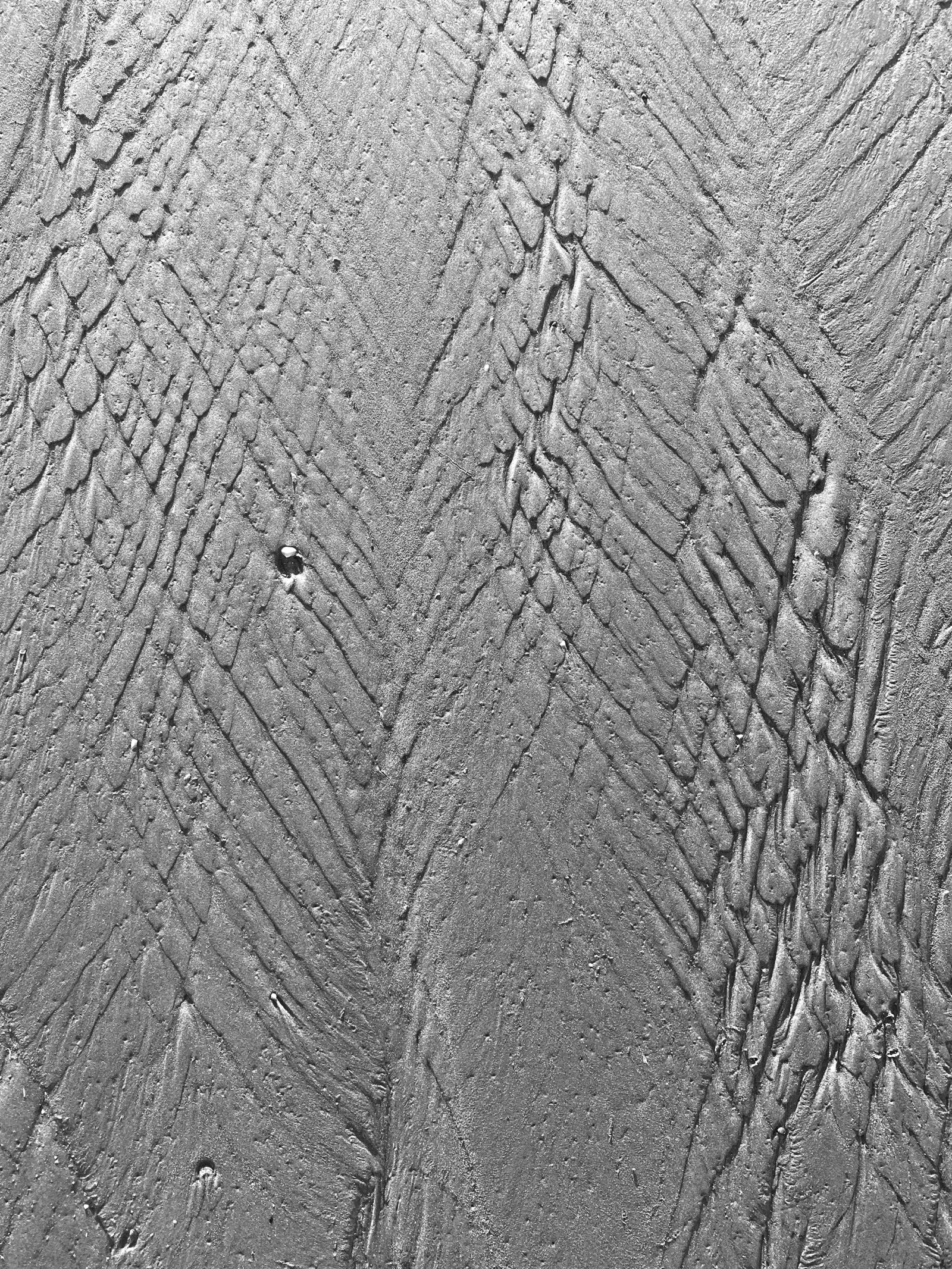 C_05
C_05 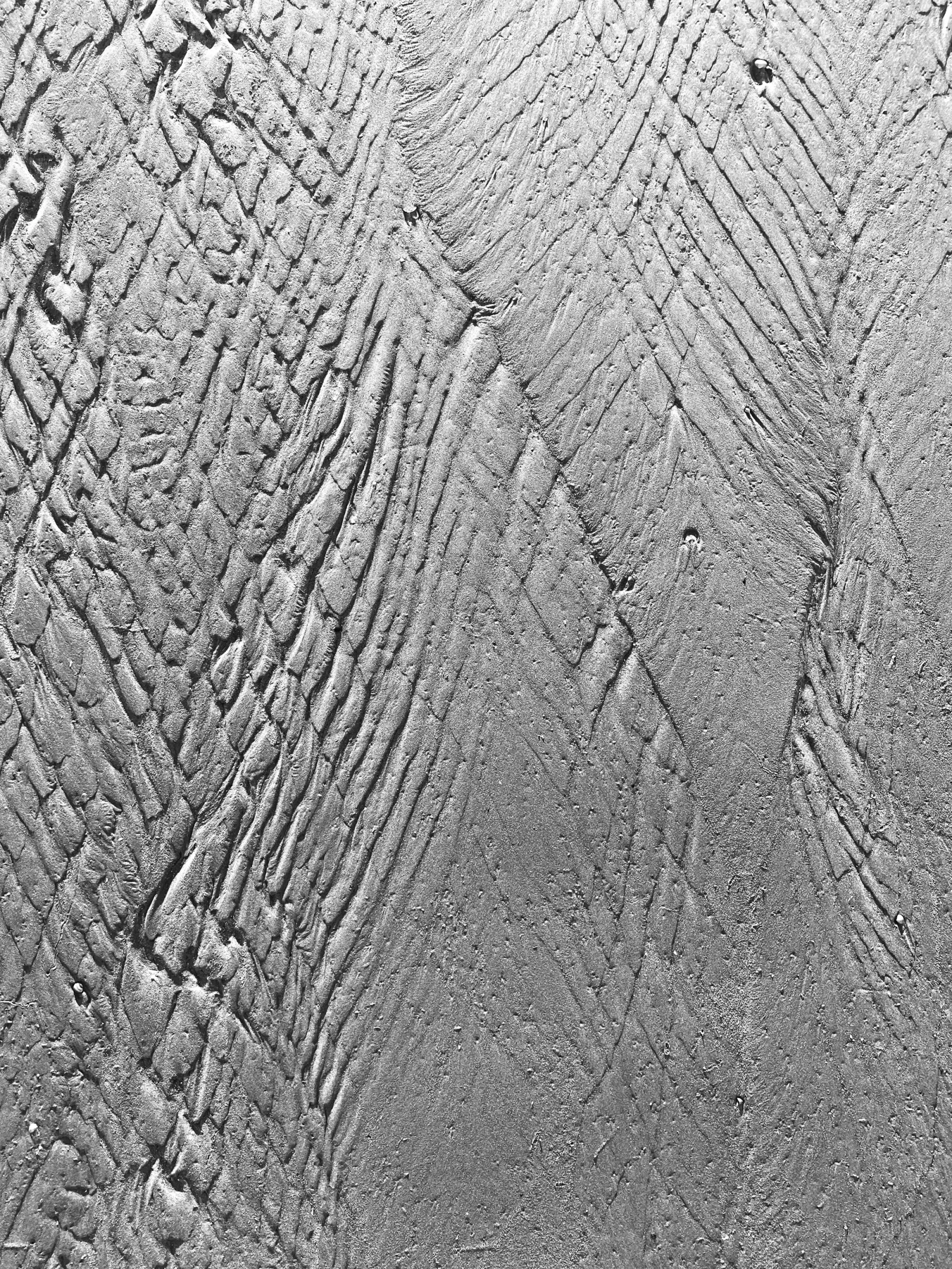 C_06
C_06 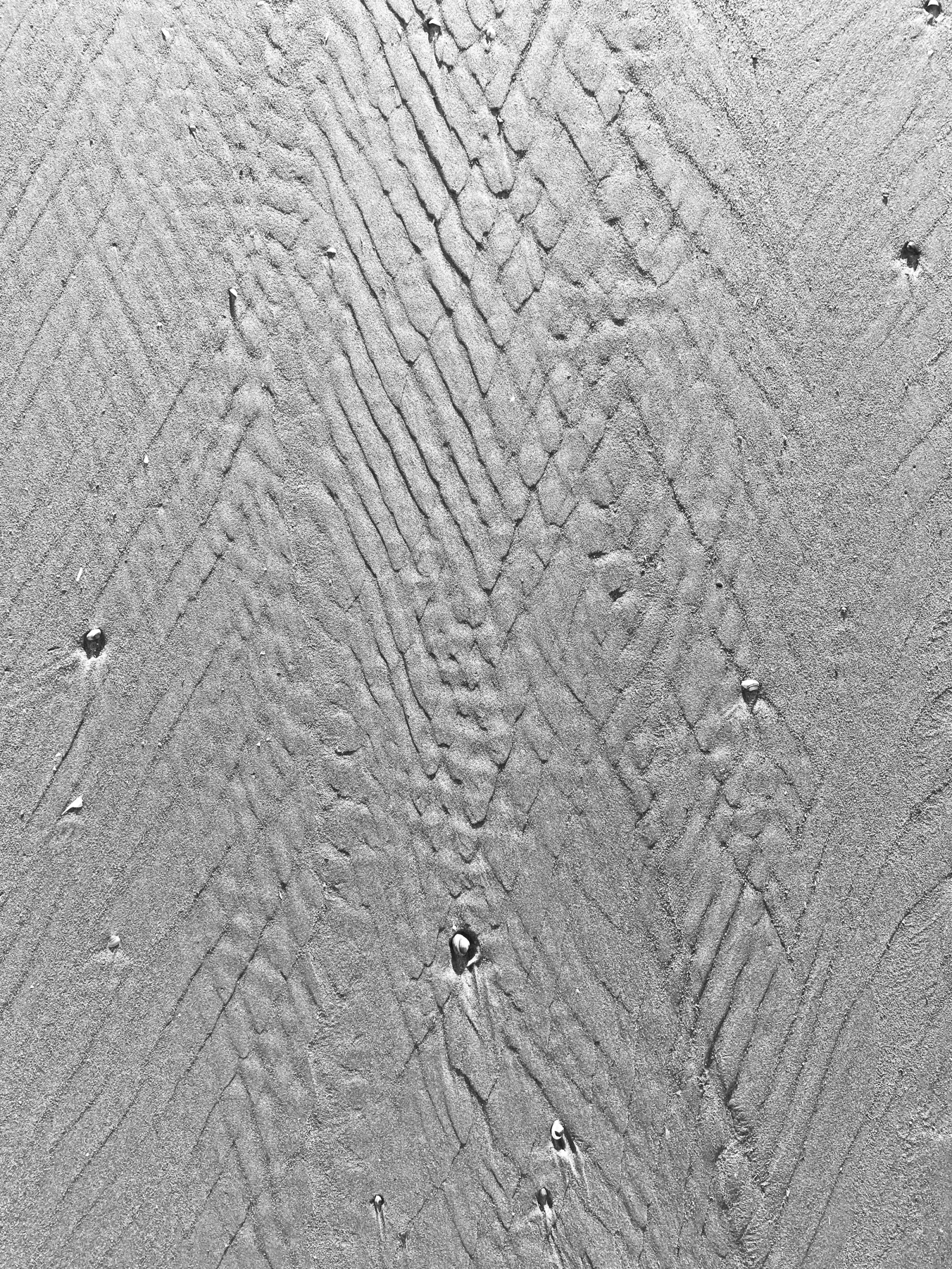 C_07
C_07 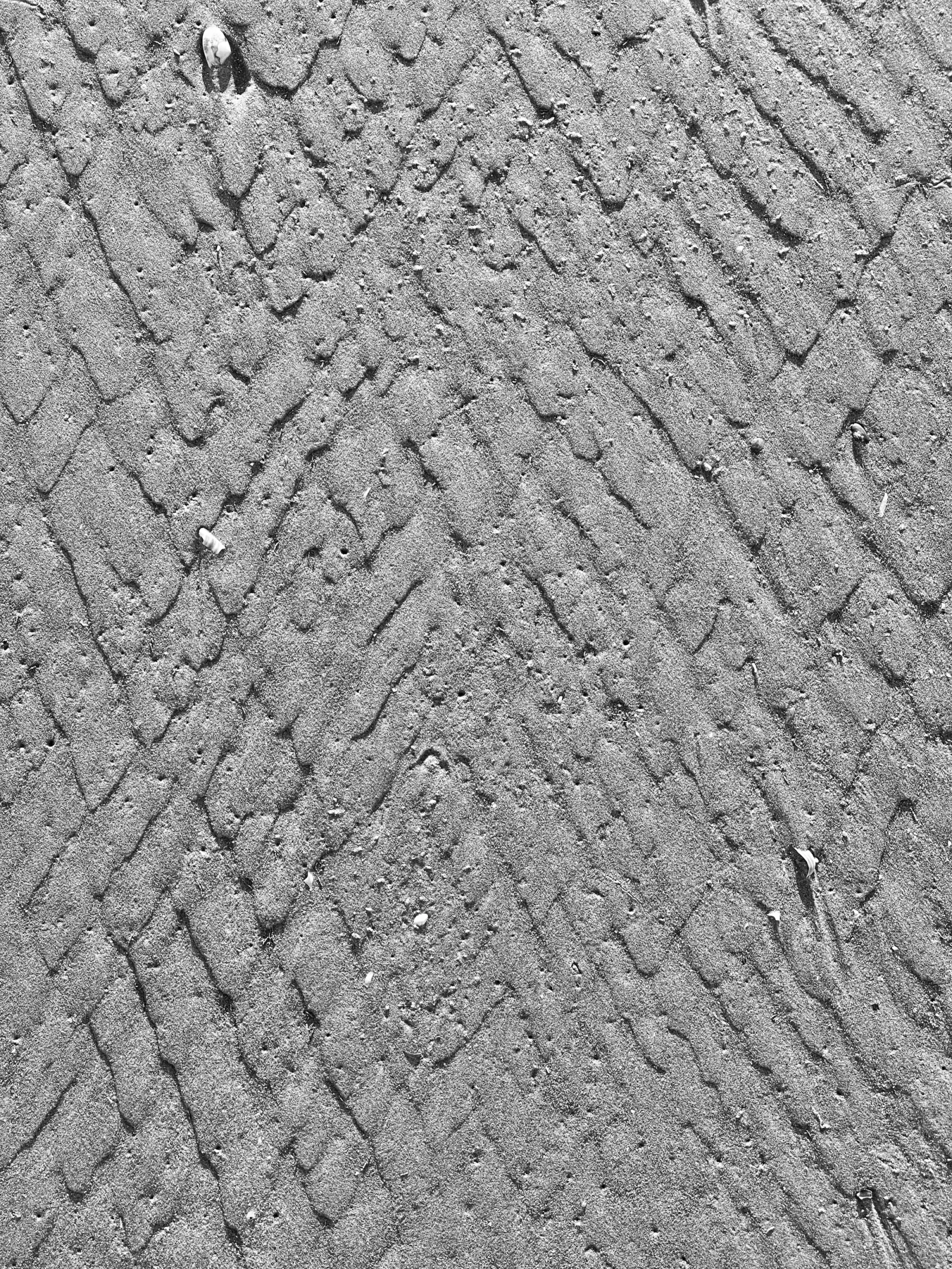 C_08
C_08 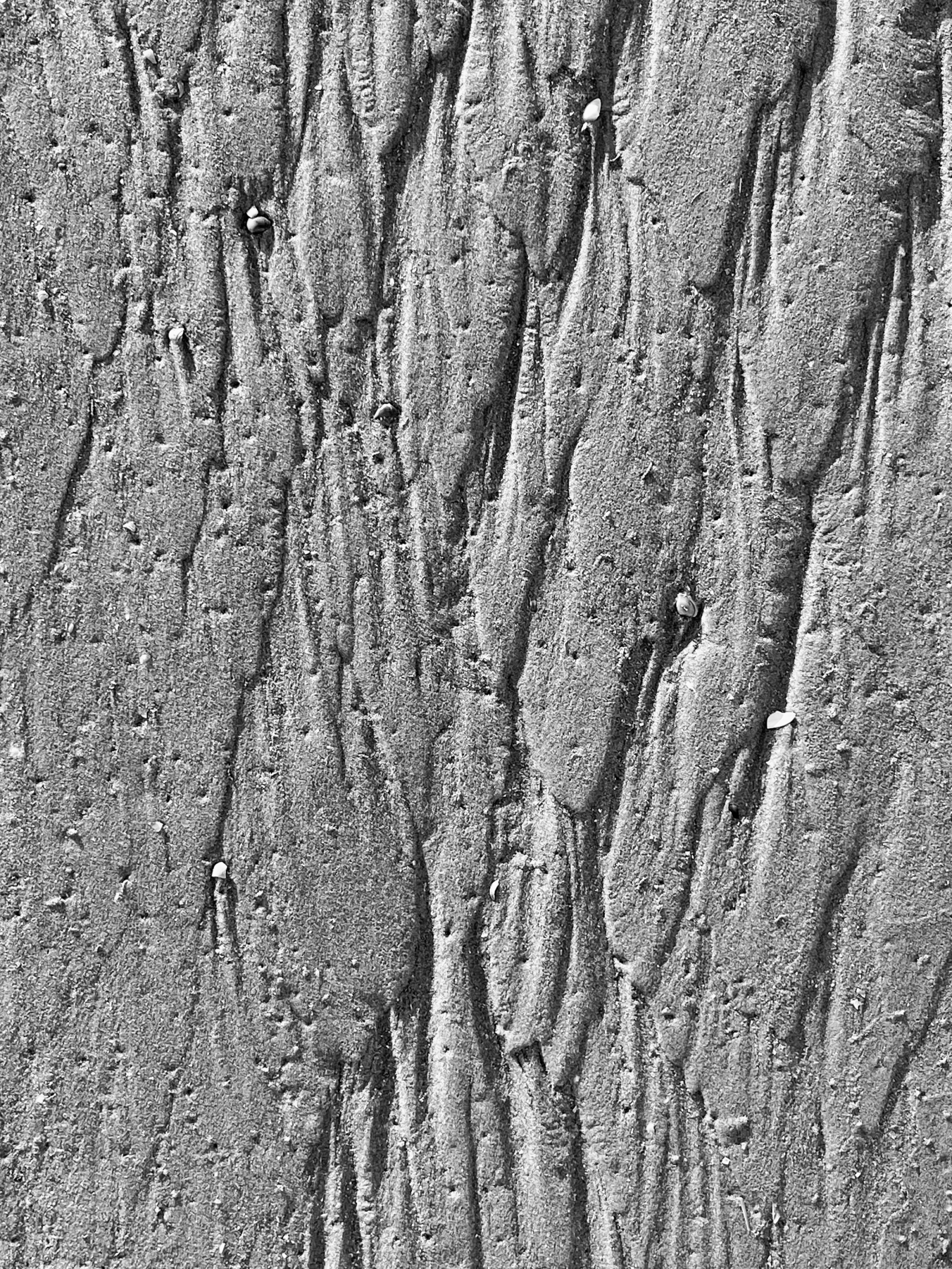 C_09
C_09 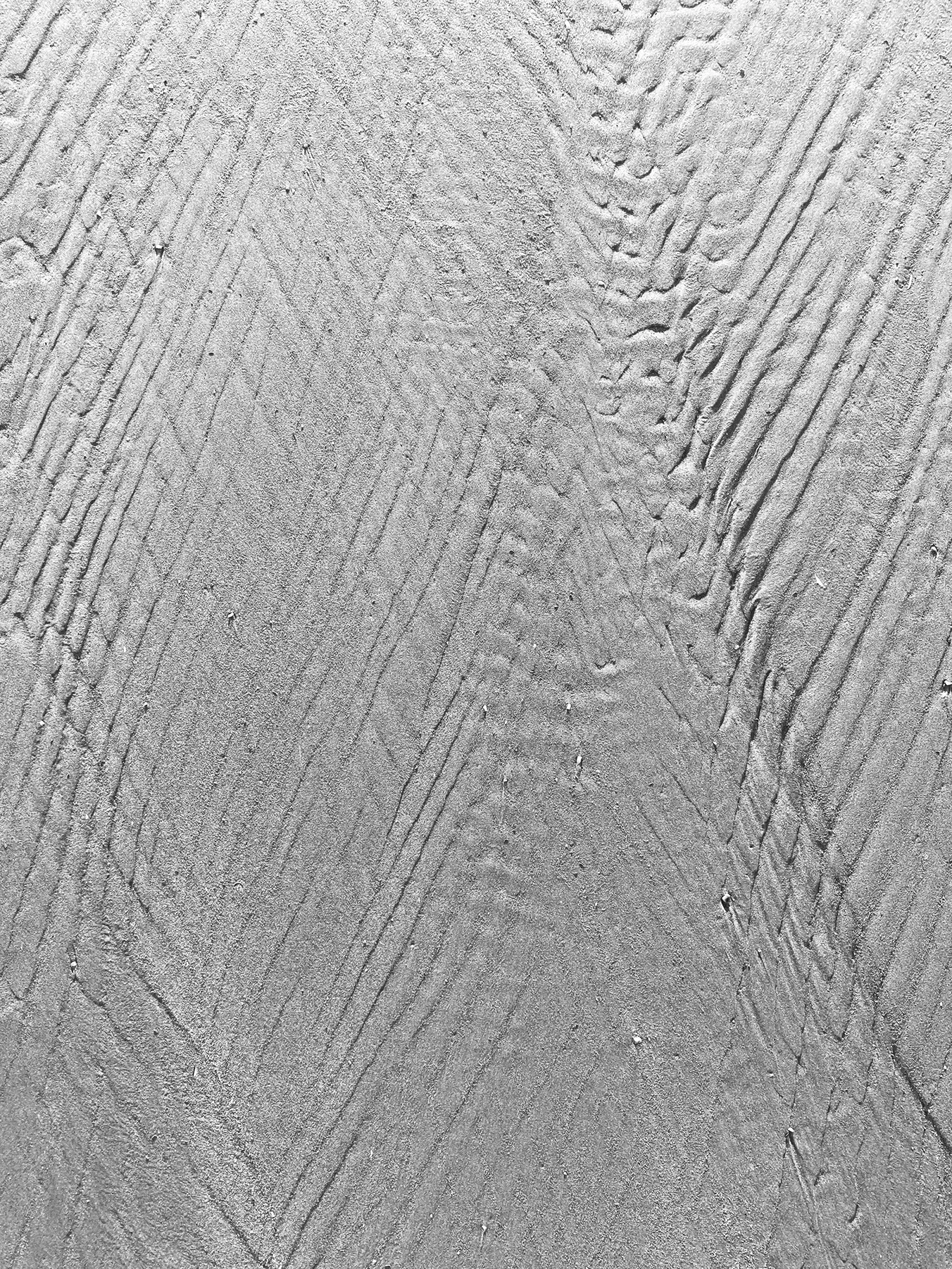 C_10
C_10 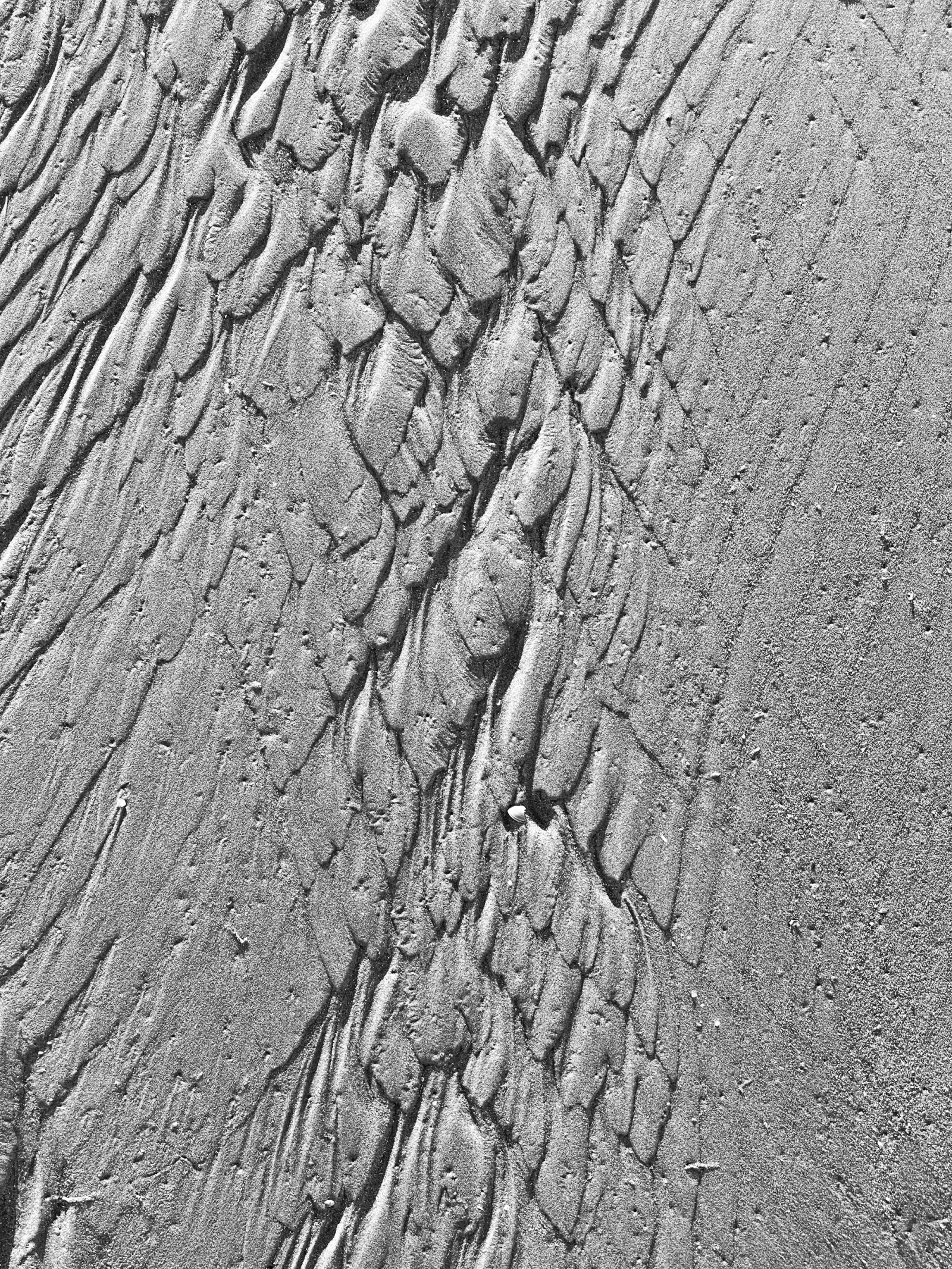 C_11
C_11